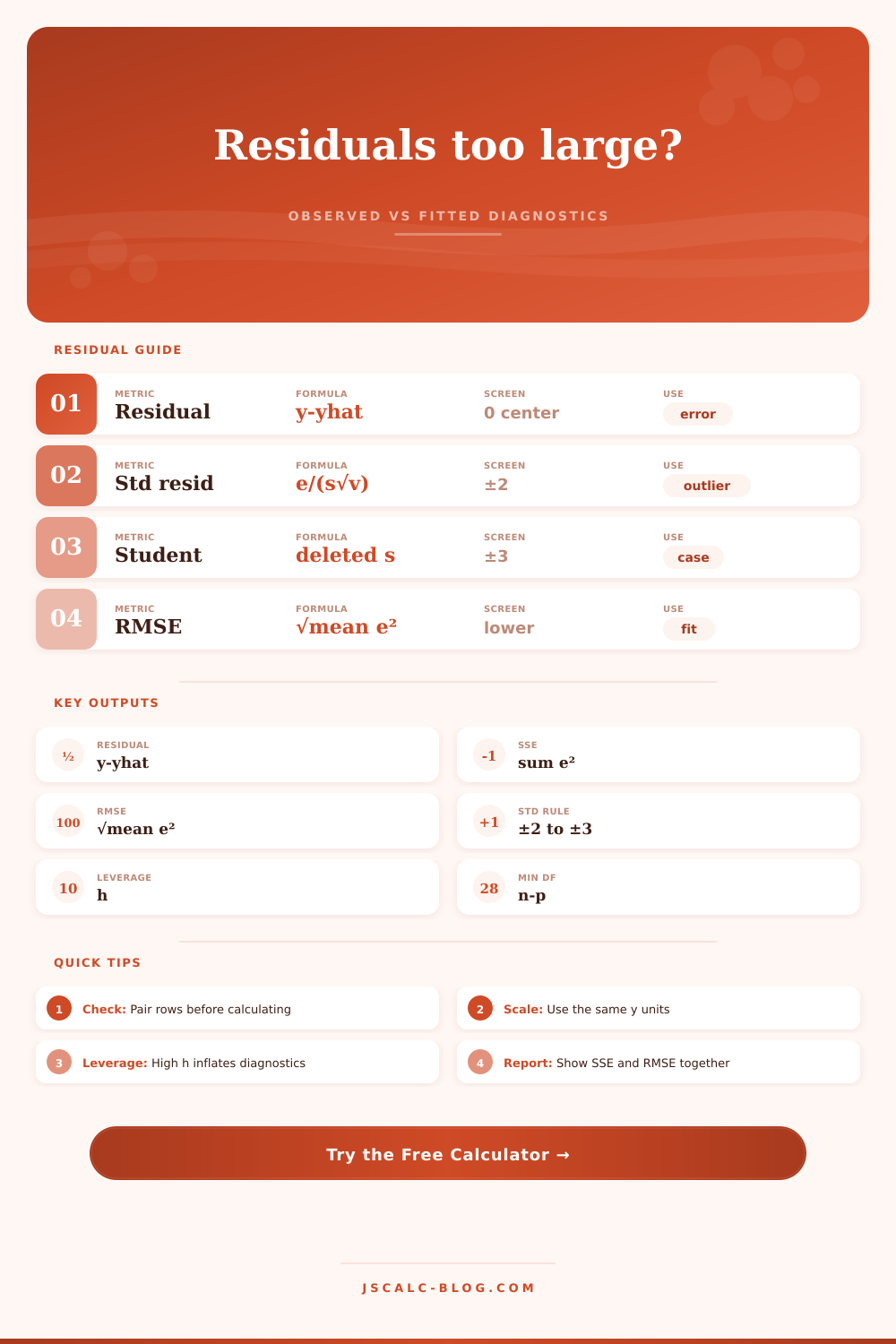
Residual Calculator
The difference between what actualy happened and what you predicted: those is called residuals. So if you predicted exam scores or store sales using a … Read More

The difference between what actualy happened and what you predicted: those is called residuals. So if you predicted exam scores or store sales using a … Read More
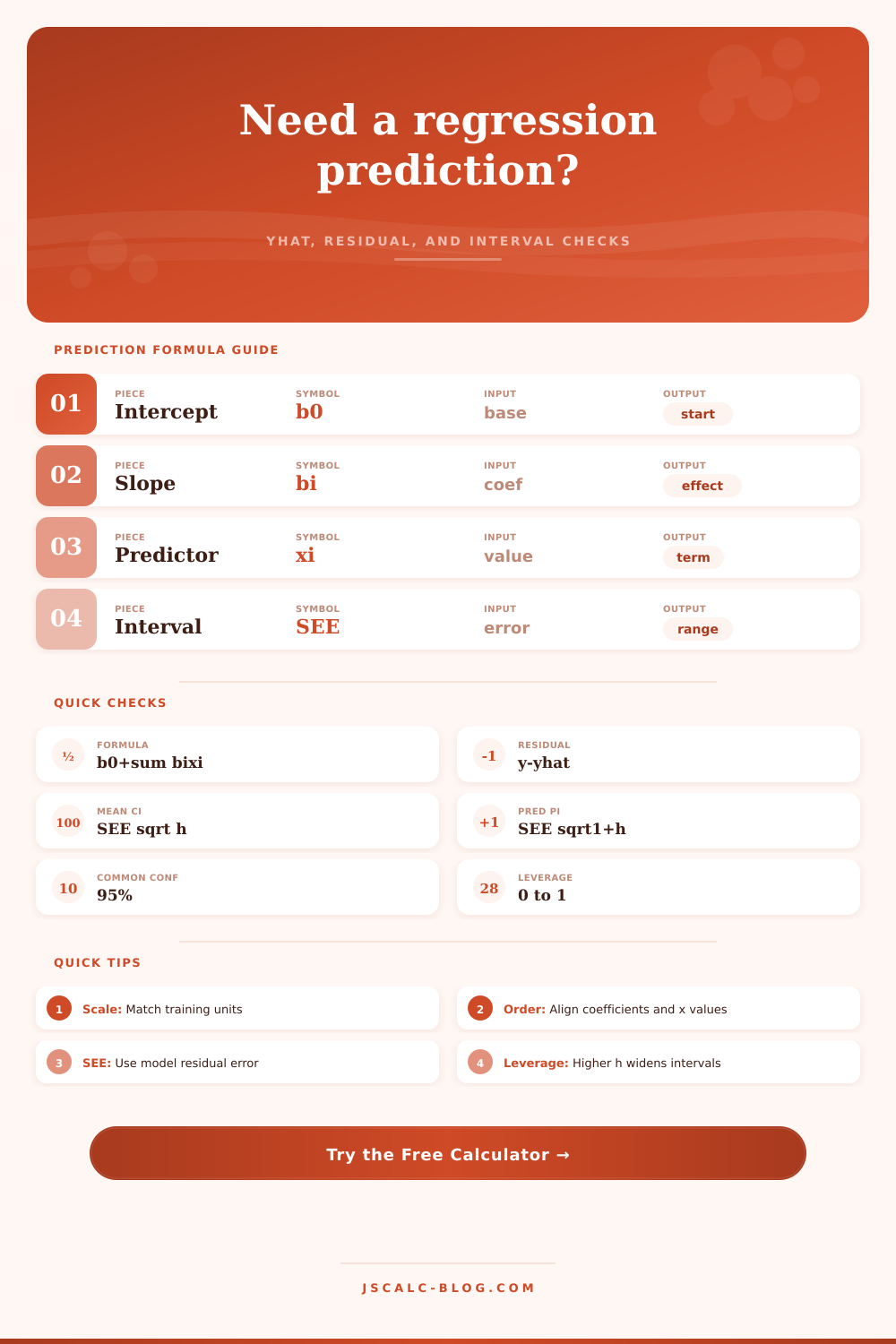
There’s the coefficients. There’s the intercept. There’s that new data point staring back at you from the screen. And the math? It’s pretty easy, almost … Read More
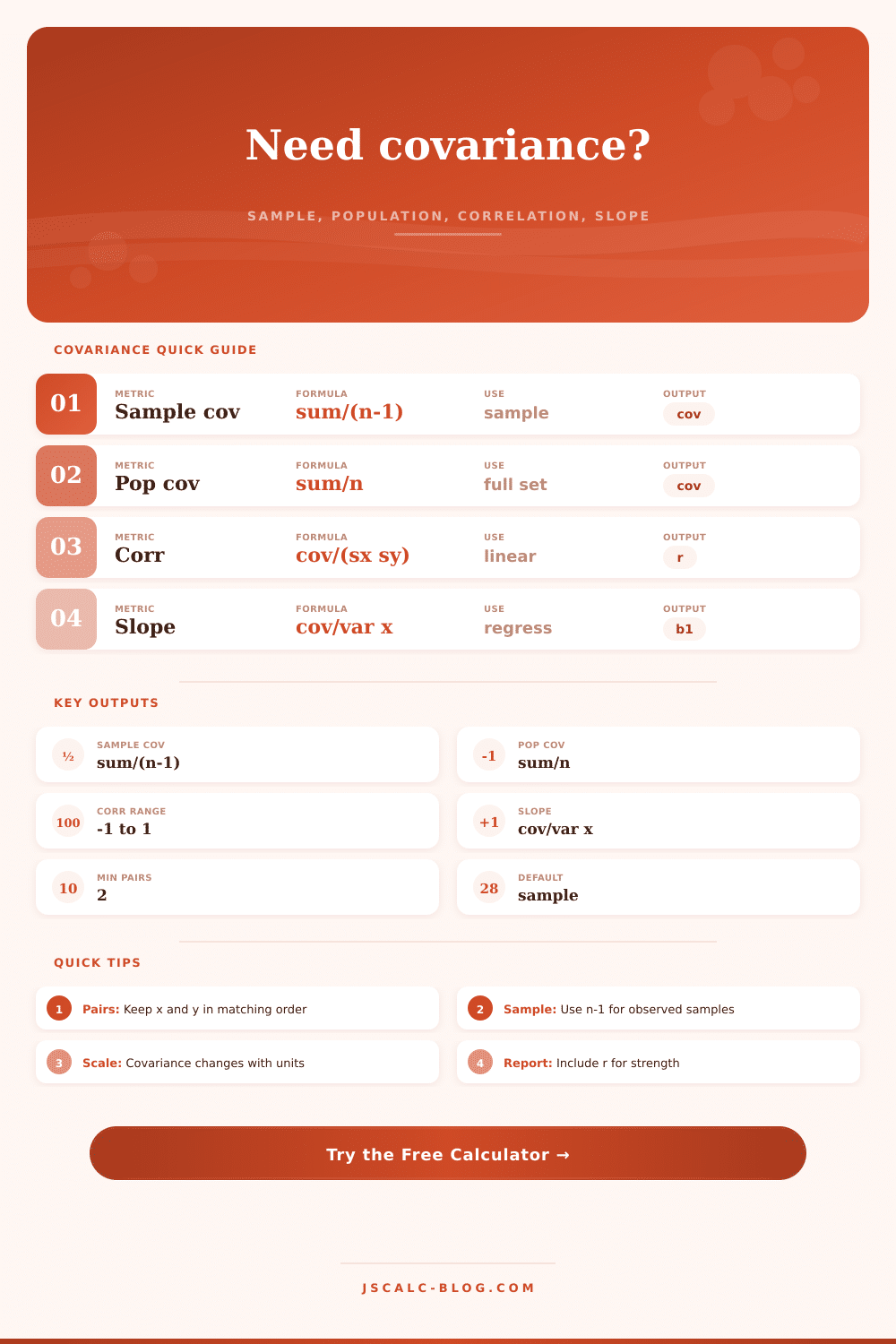
Covariance is a measure of how two variable change together. It tells you that they’re related, but it doesn’t eliminate the units of measurement. If … Read More
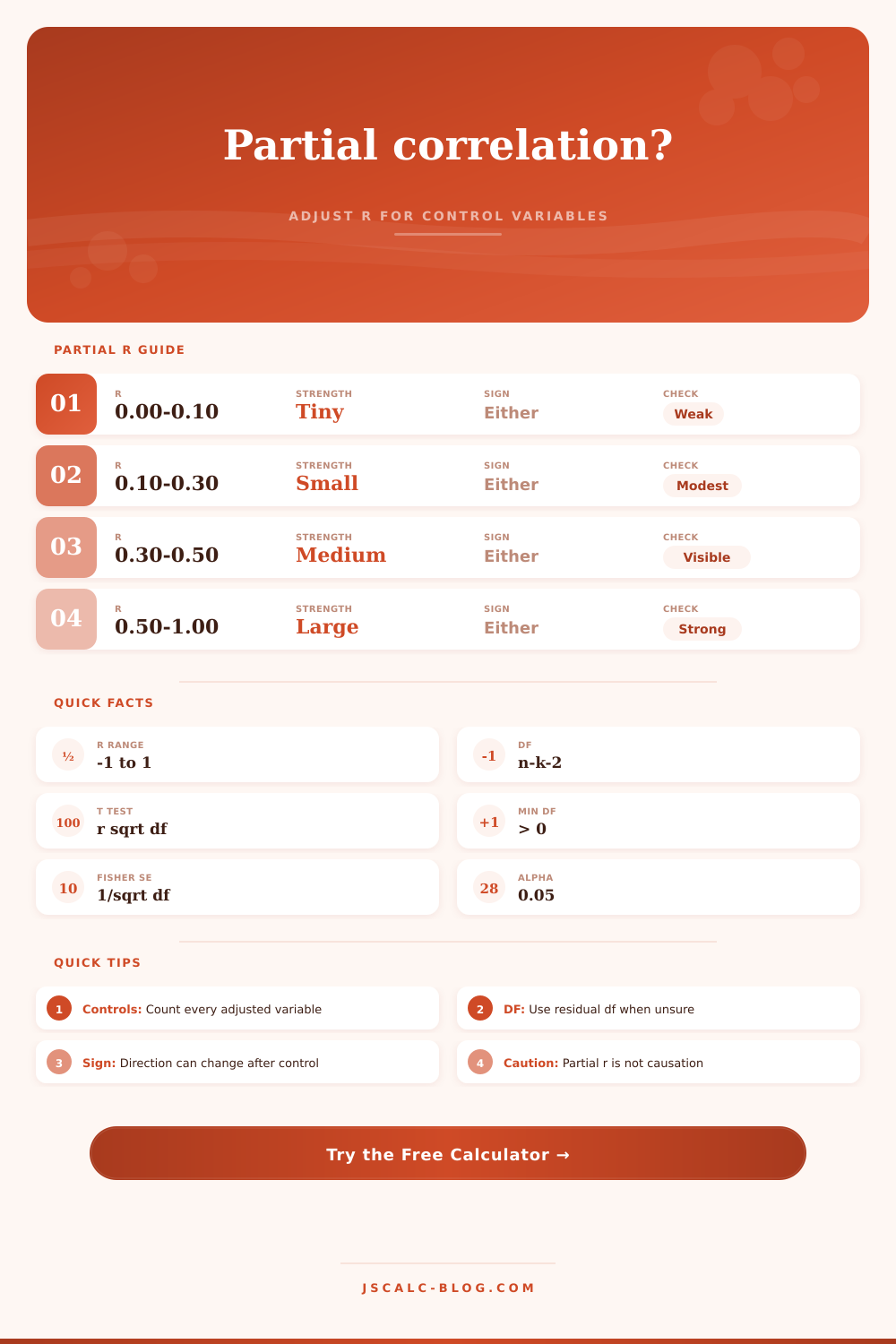
If you believe there is some sort of third-party factor that explains relationship between two variables (e.g., you think discipline, not study time, drives exam … Read More
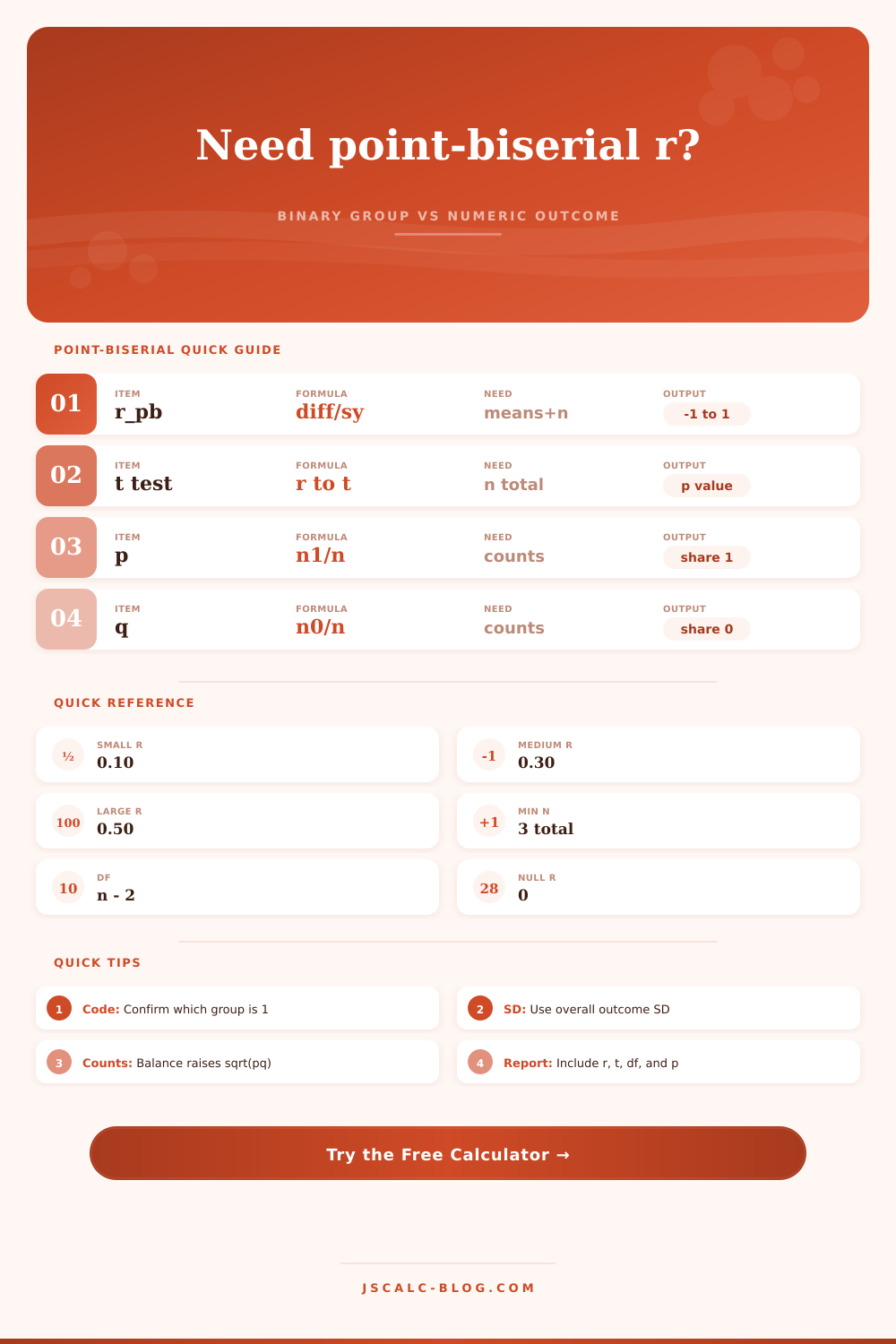
It’s a mix of continuous and categorical. For example, a student might pass an exam and also get specific grade. Similarly, a doctor might prescribe … Read More
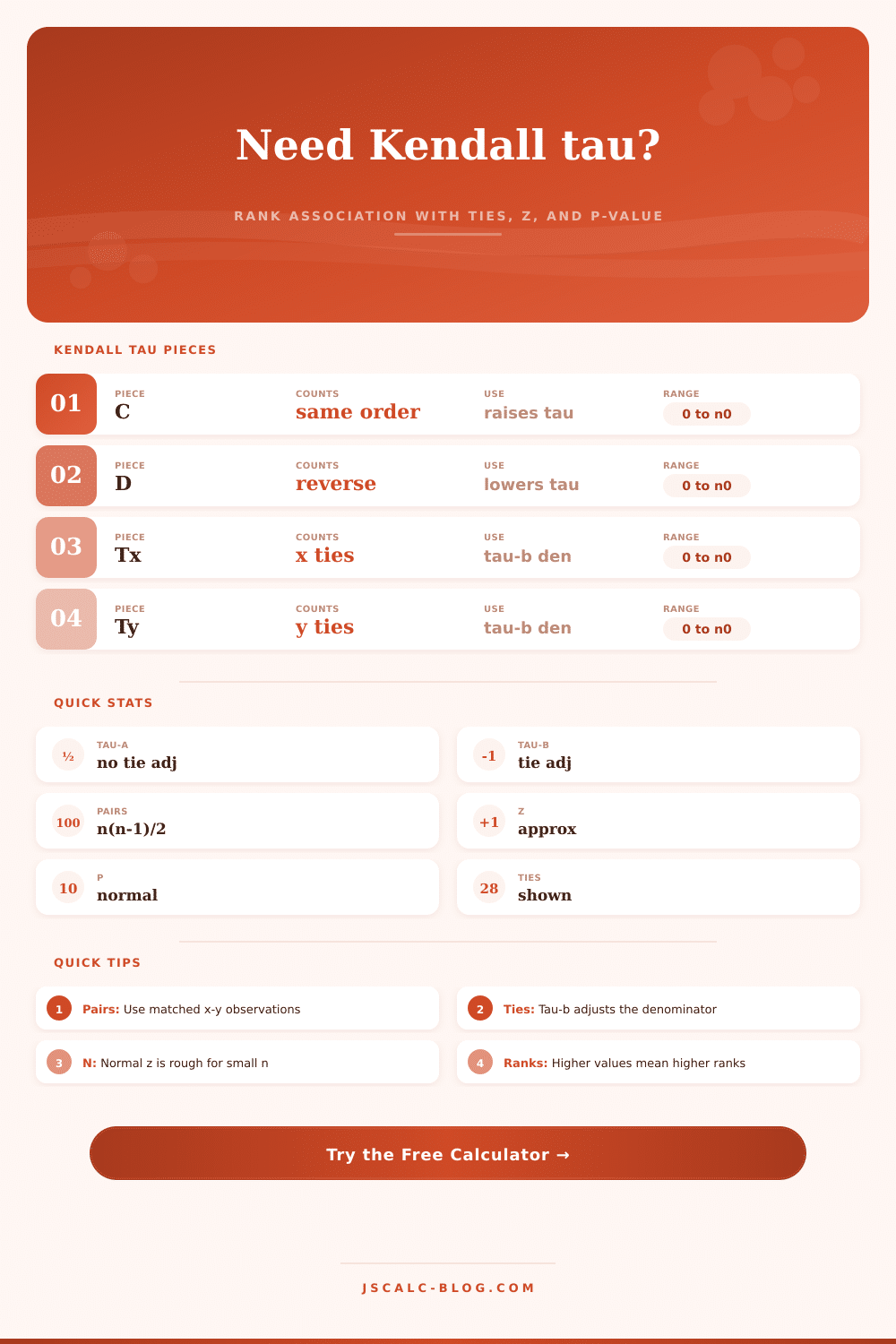
Kendall tau measures agreement between two individuals when they are asked to rank-order a collection of items. For example, it could be job candidates or … Read More
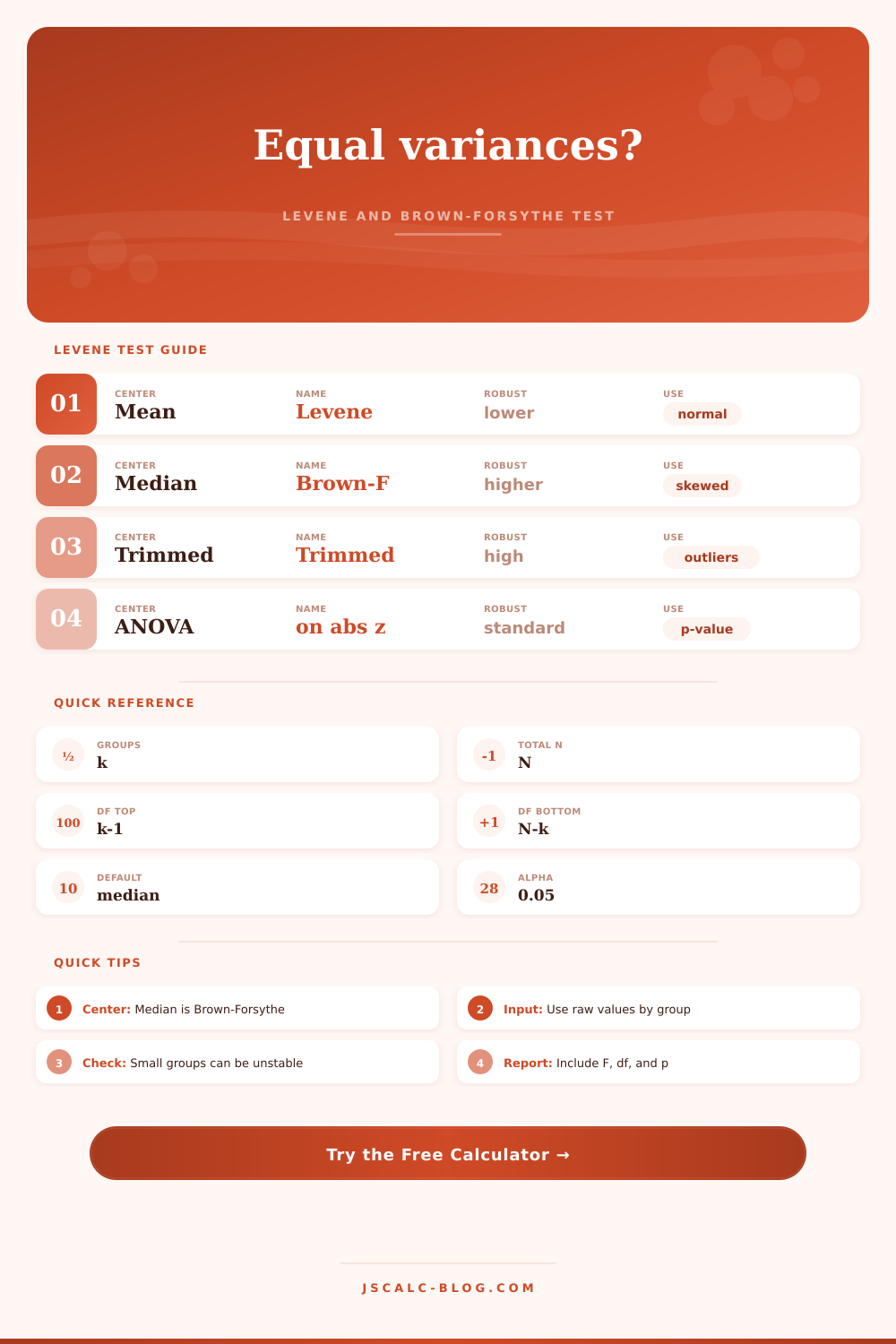
First, you check if your variances are equal (unequal spread invalidates the math), and then you perform an analysis of variance to see if your … Read More
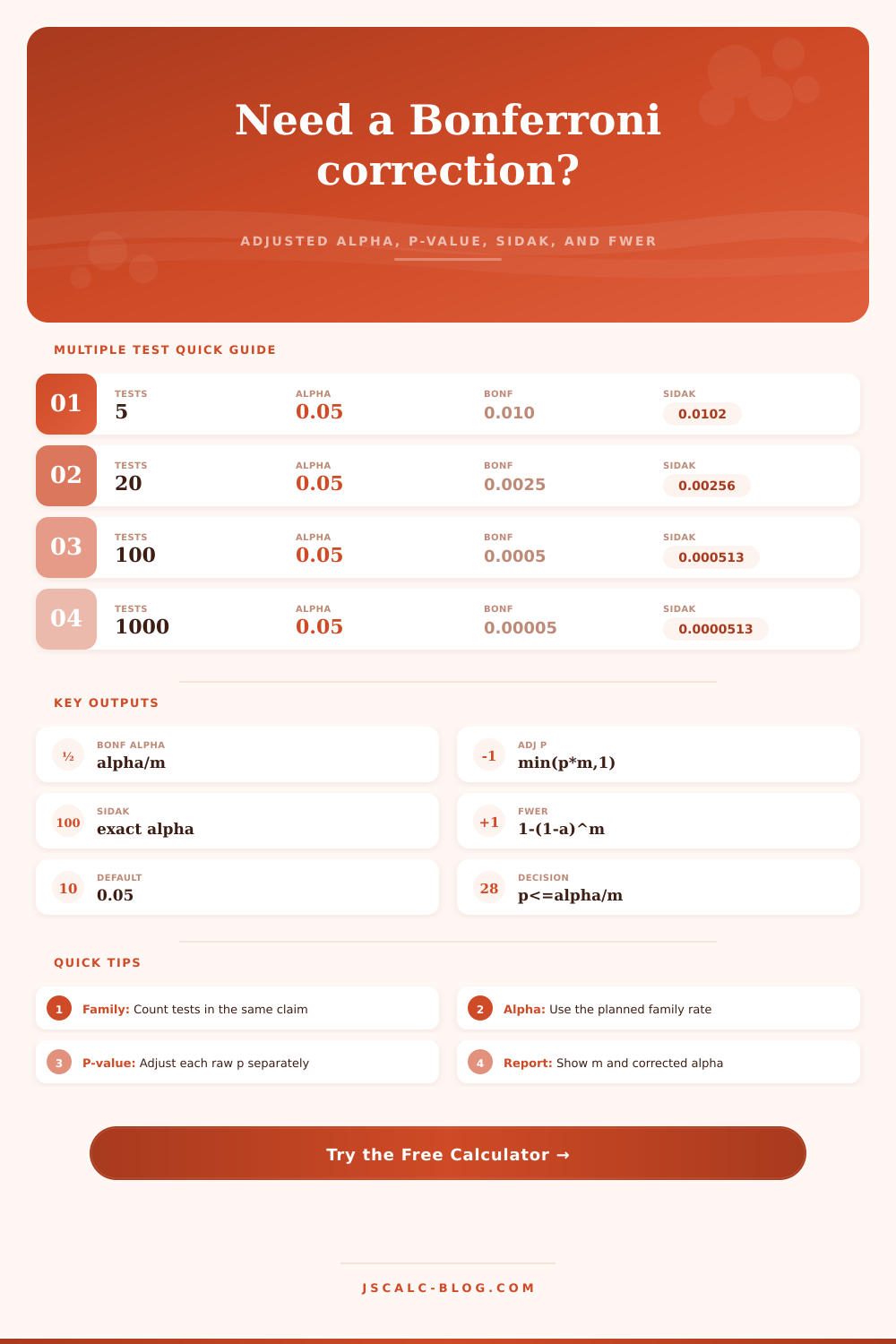
Let’s say you’re testing a new drug on three symptoms simultanously. You get important results for only one of those three symptom. Hooray! But then … Read More
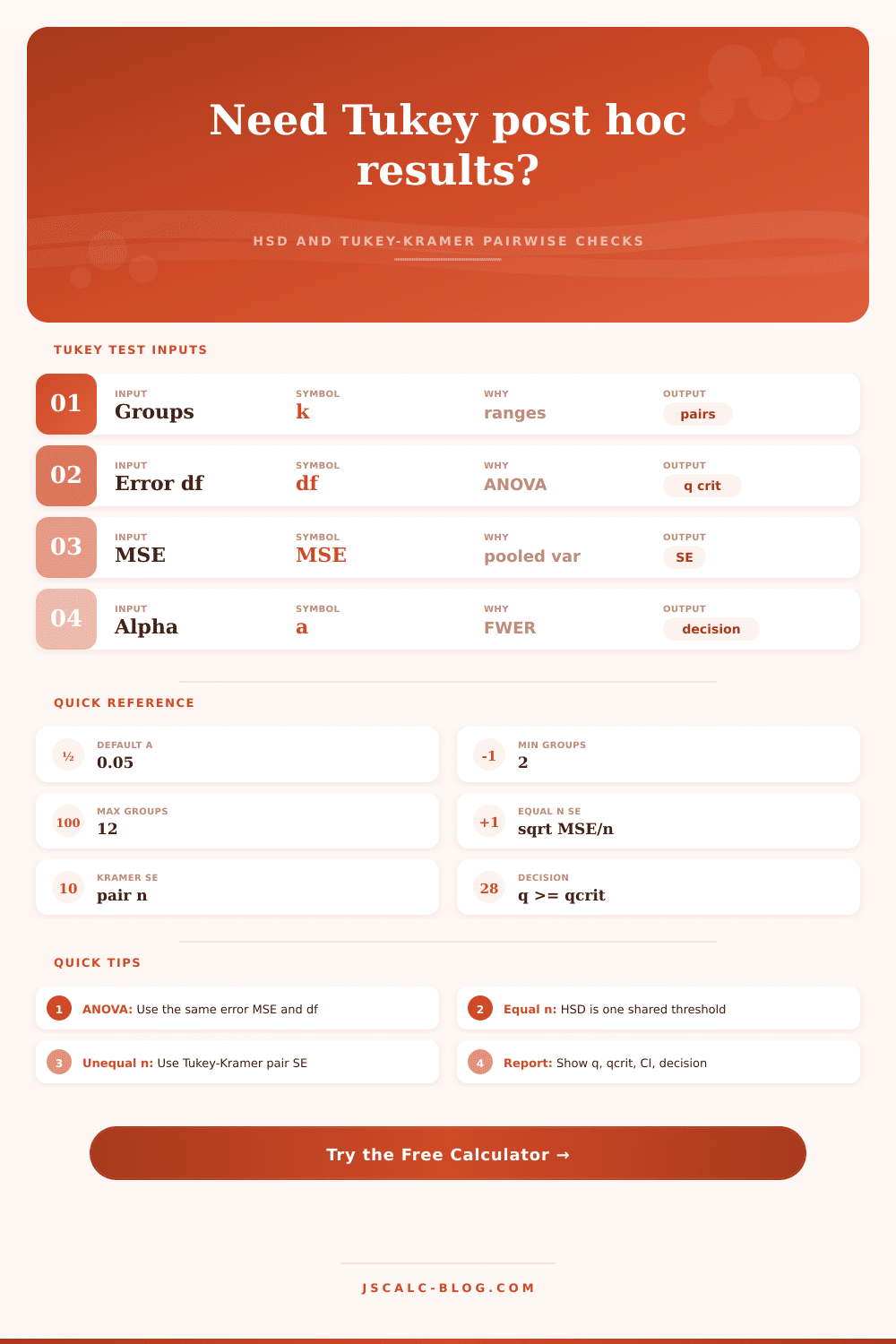
OK, you’ve run the analysis of variance and the F-test is significant. So you know your groups aren’t all the same. But you don’t want … Read More
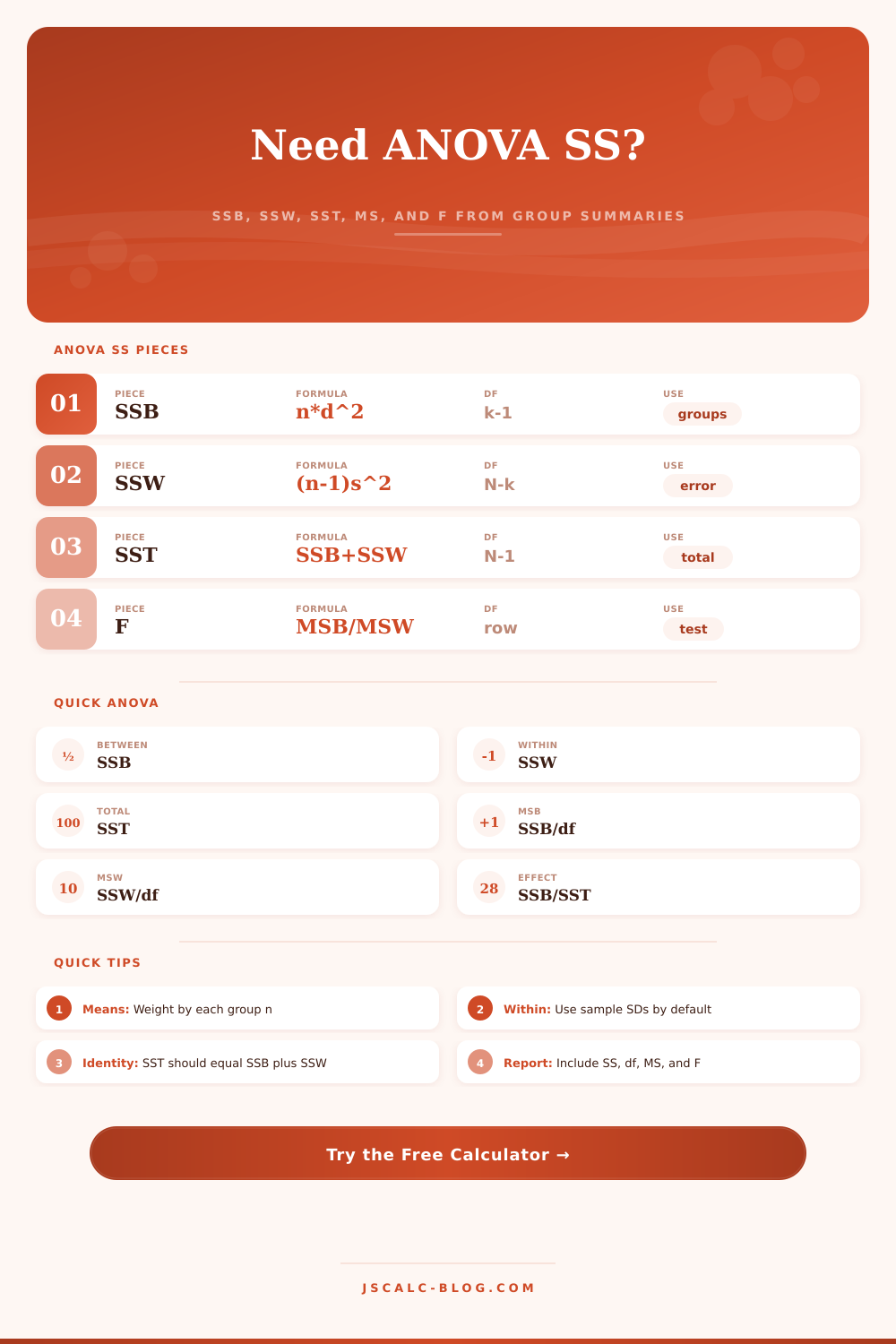
It is not necessary that you eyeball all of the individual data points to decide whether or not your groups differ. Most analysts gets stuck … Read More