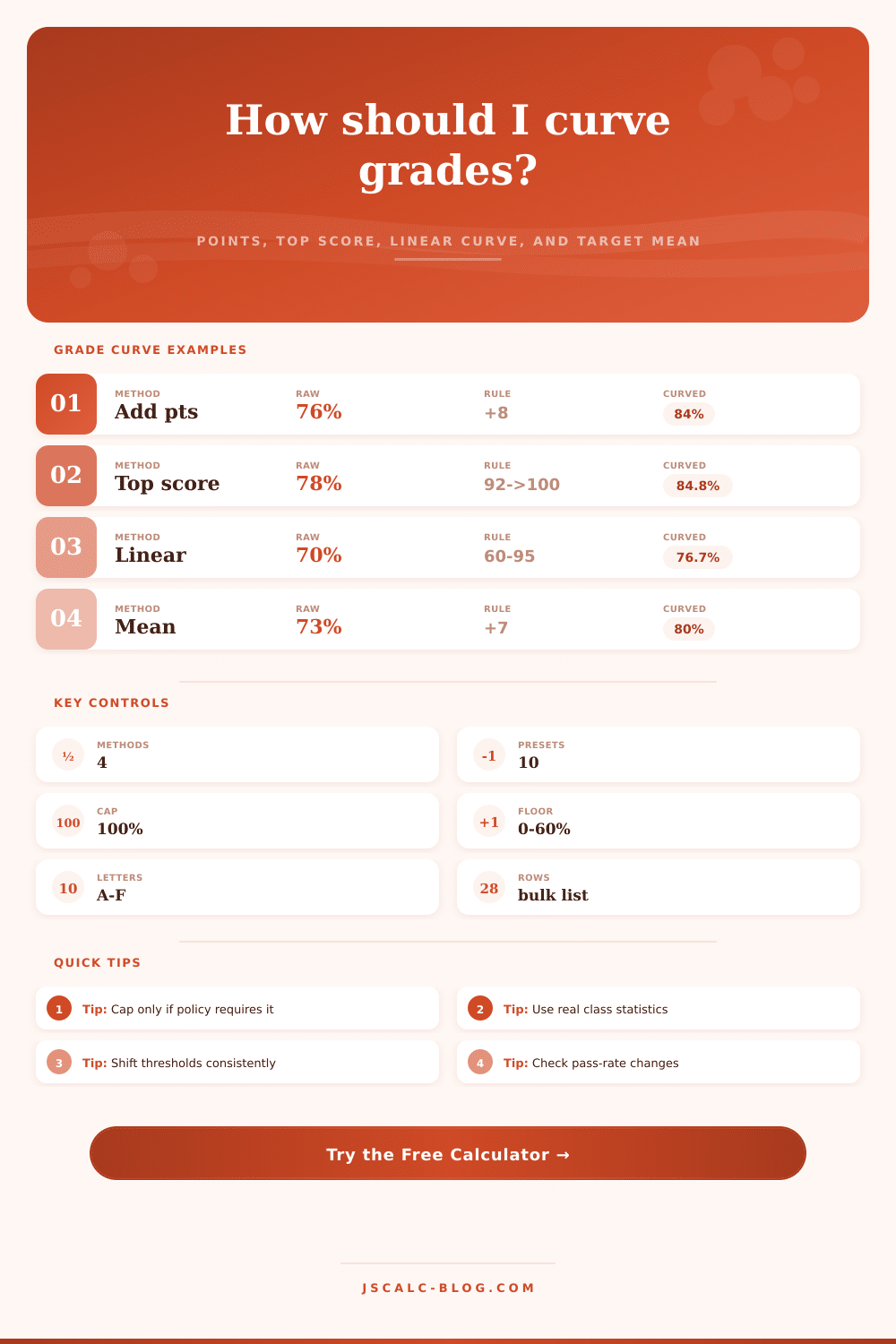
Grade Curve Calculator
After, after all, you look at those scantron scores, and see that average of the class was something like 67, and one kid got an … Read More

After, after all, you look at those scantron scores, and see that average of the class was something like 67, and one kid got an … Read More
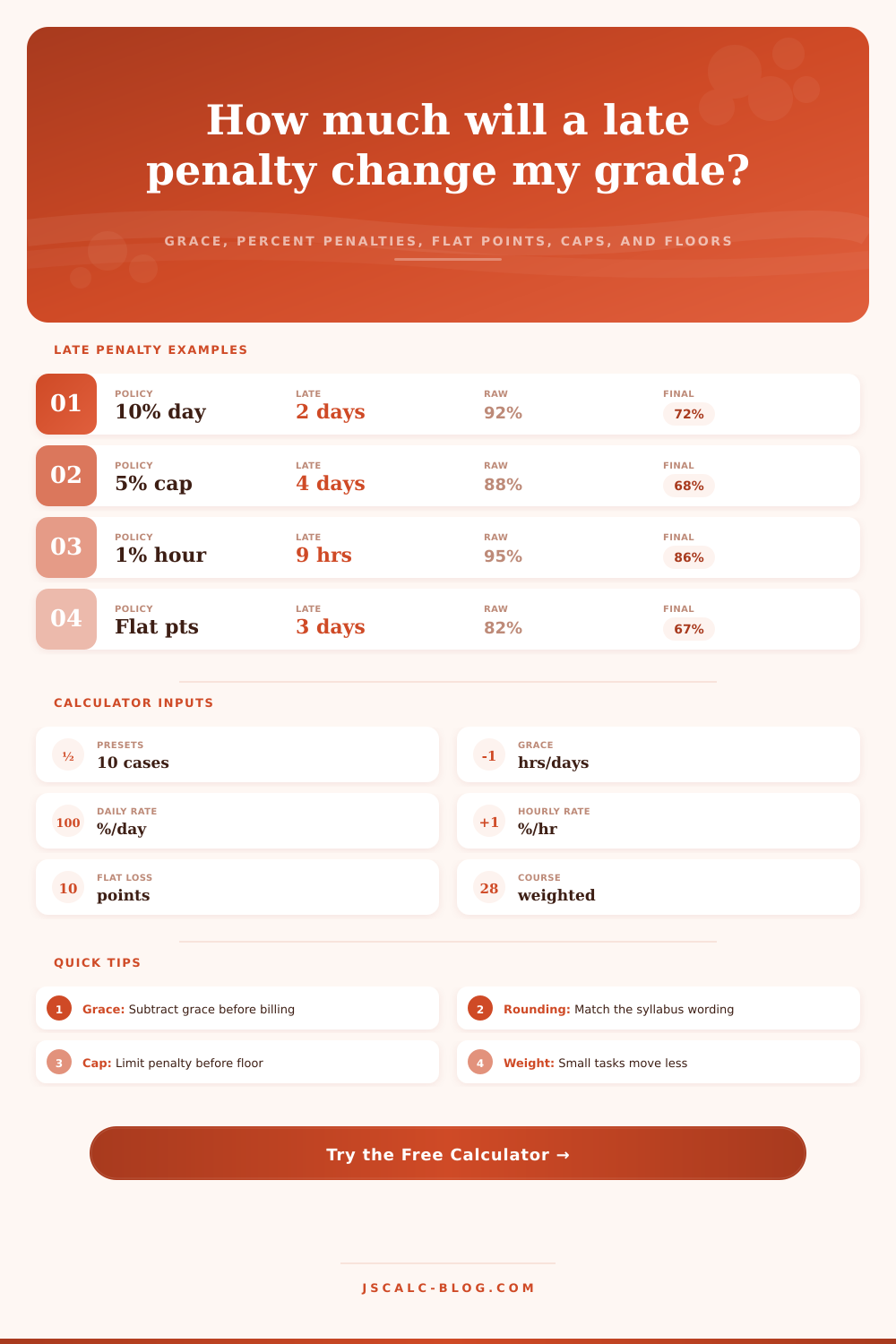
And then there’s that moment on Sunday night. You’re almost done with your work; all that’s left is a couple of minutes before it’s due… … Read More
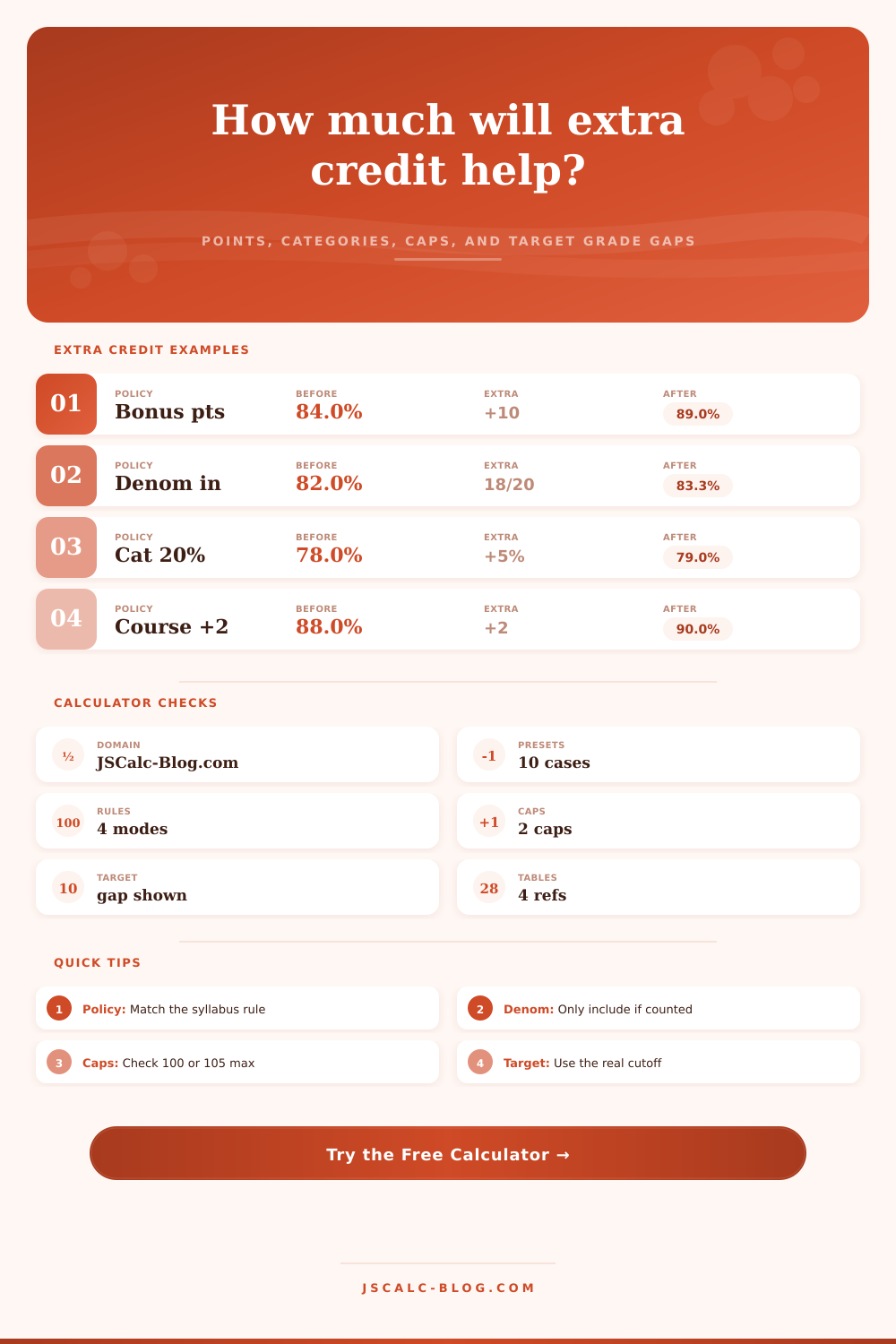
Your final percentage is hovering right under line of what’s required. It’s 88.9%. And it needs to be 90.0%, which means an A. Panic? Maybe. … Read More
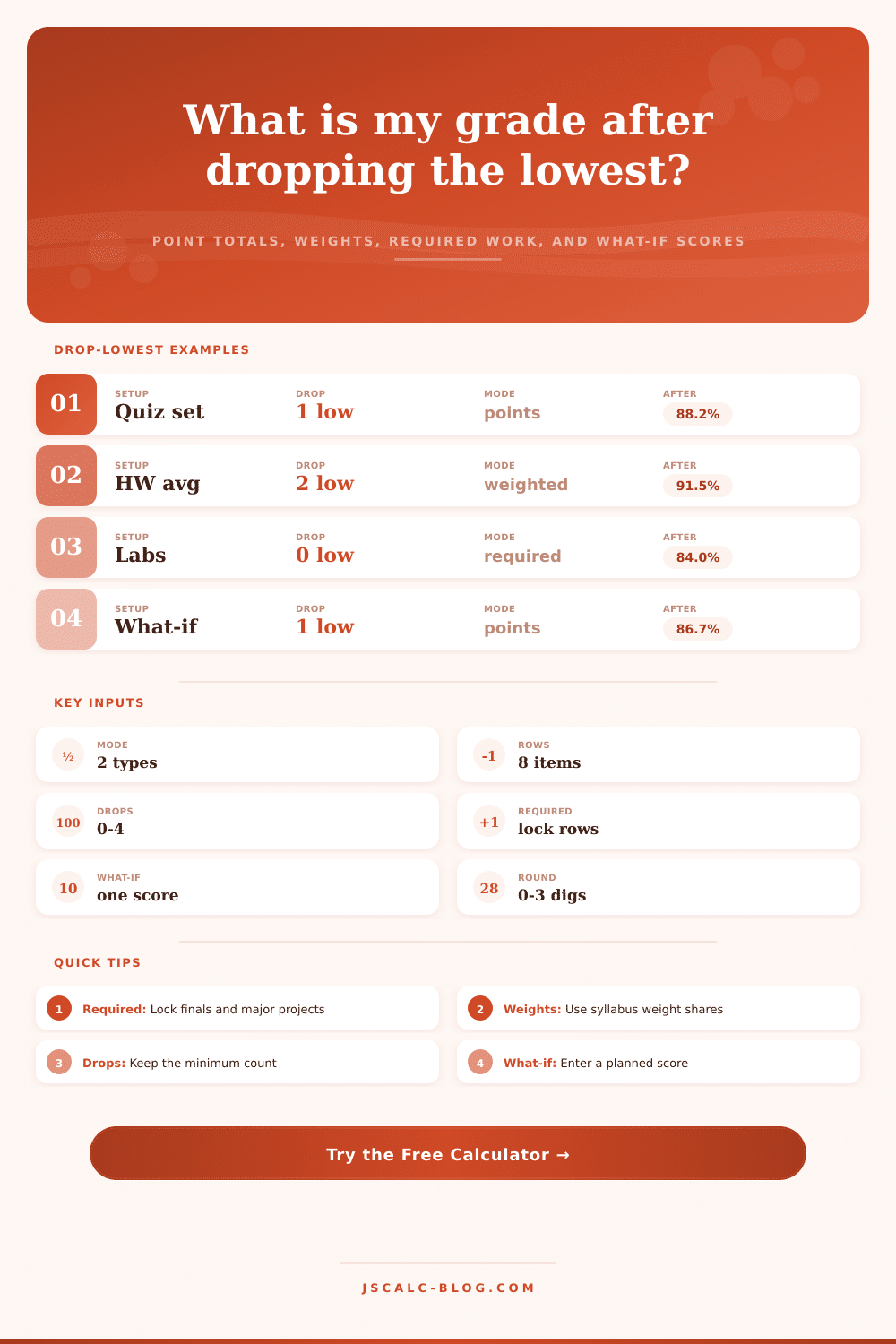
There’s a knot in your stomach when you read a grade dropping rule. It’s a syllus line, and what you see is a grade dropper. … Read More
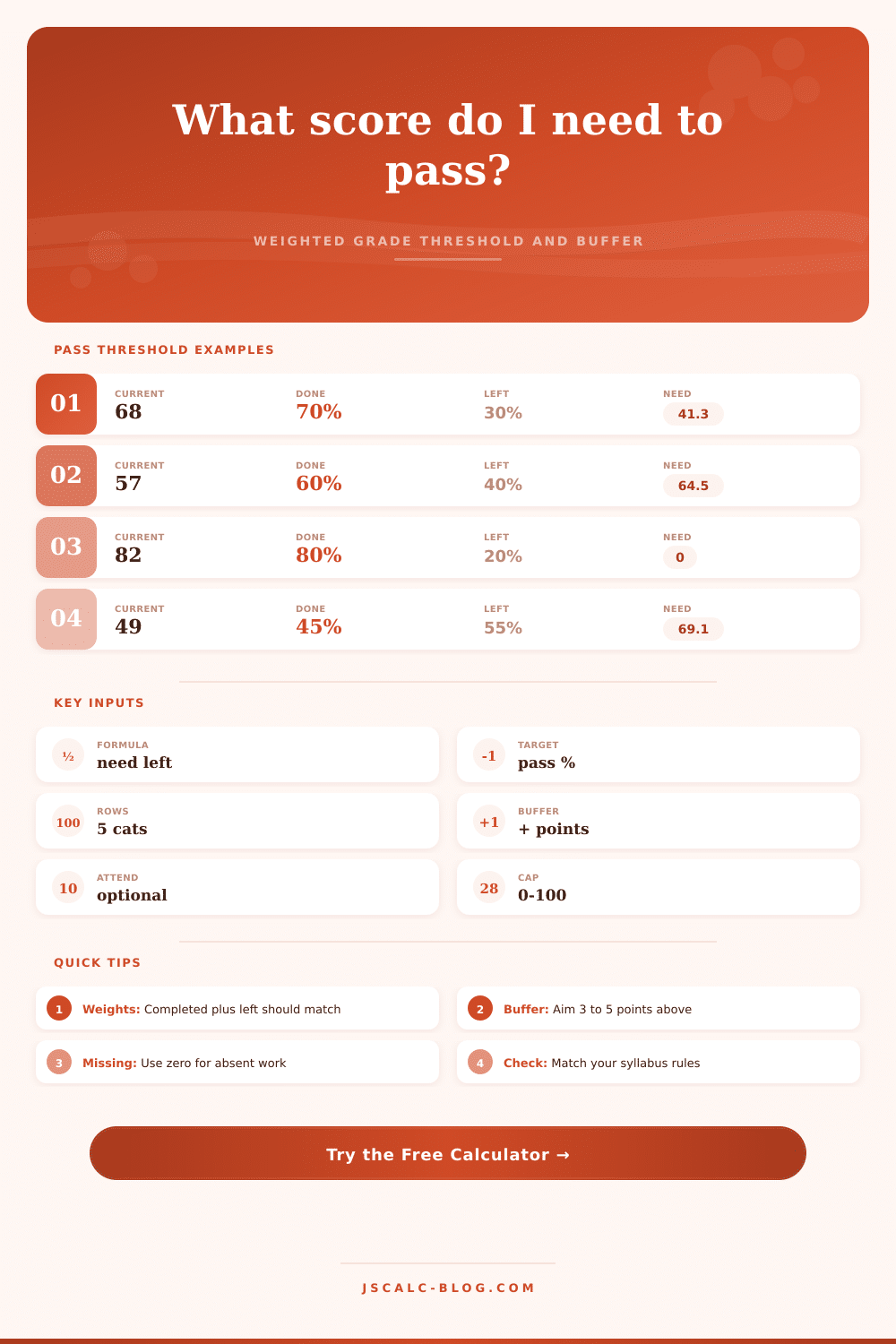
It’s 3 a.m., and you’re awake because you think you flunked a test and have destroyed your entire semester. It’s a disaster, except it isn’t. … Read More
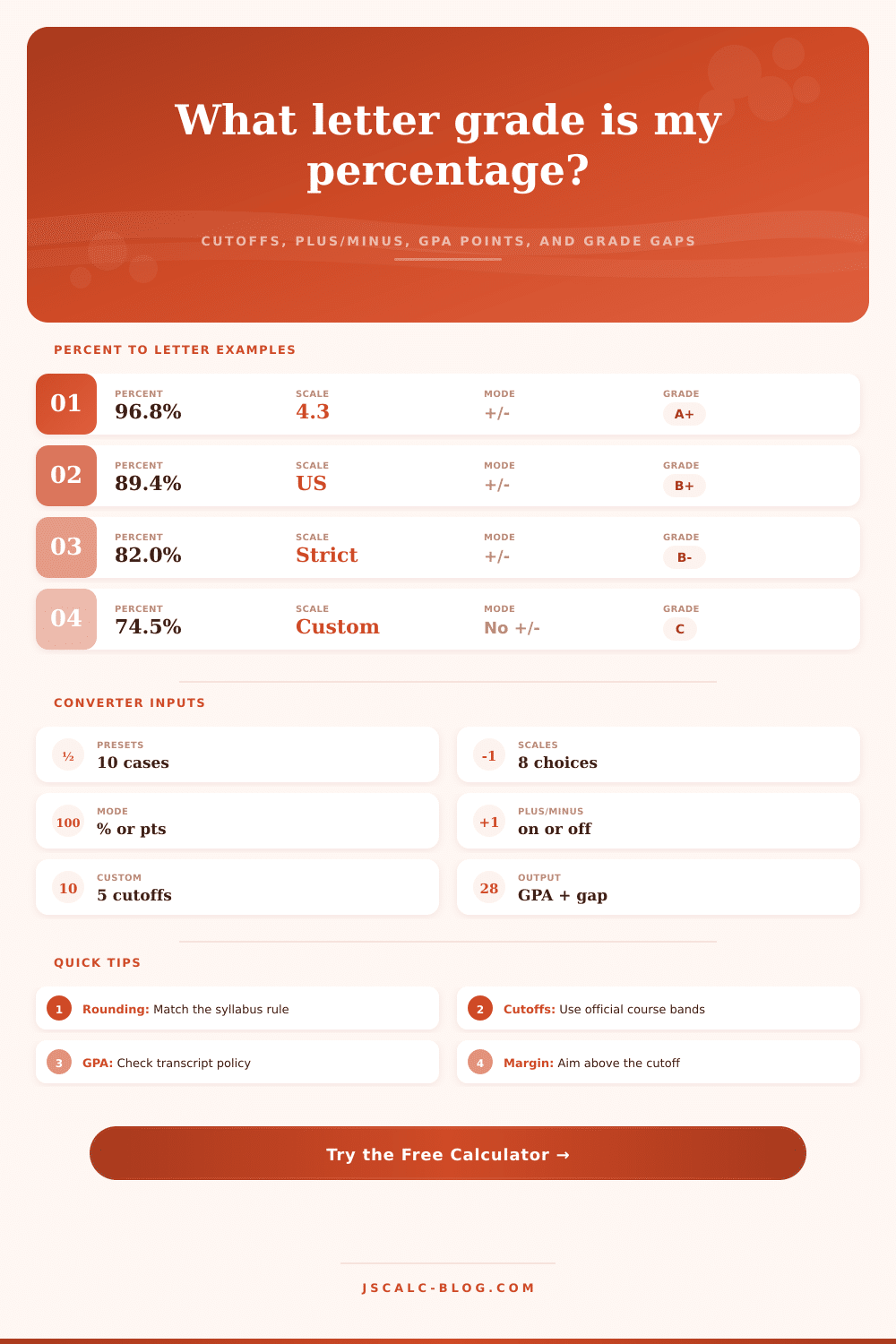
If you’re in that uncomfortabel range: eighty-nine to ninety percent, you might start getting anxious. That tiny difference is enough to change an A to … Read More
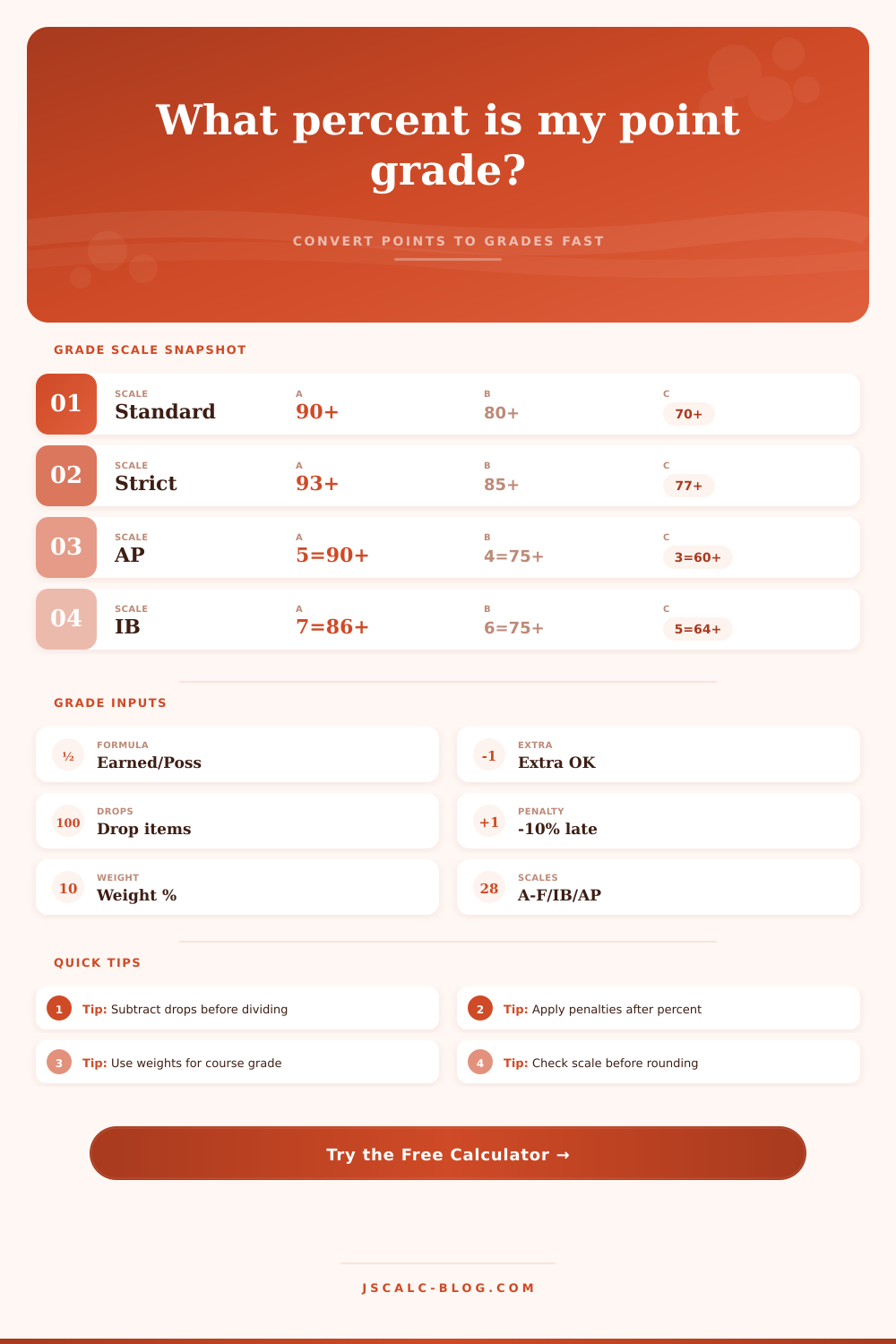
There are red marks on the paper. Eighty-three out of one hundred? Is that a B or a B minus? You don’t know. And that’s … Read More
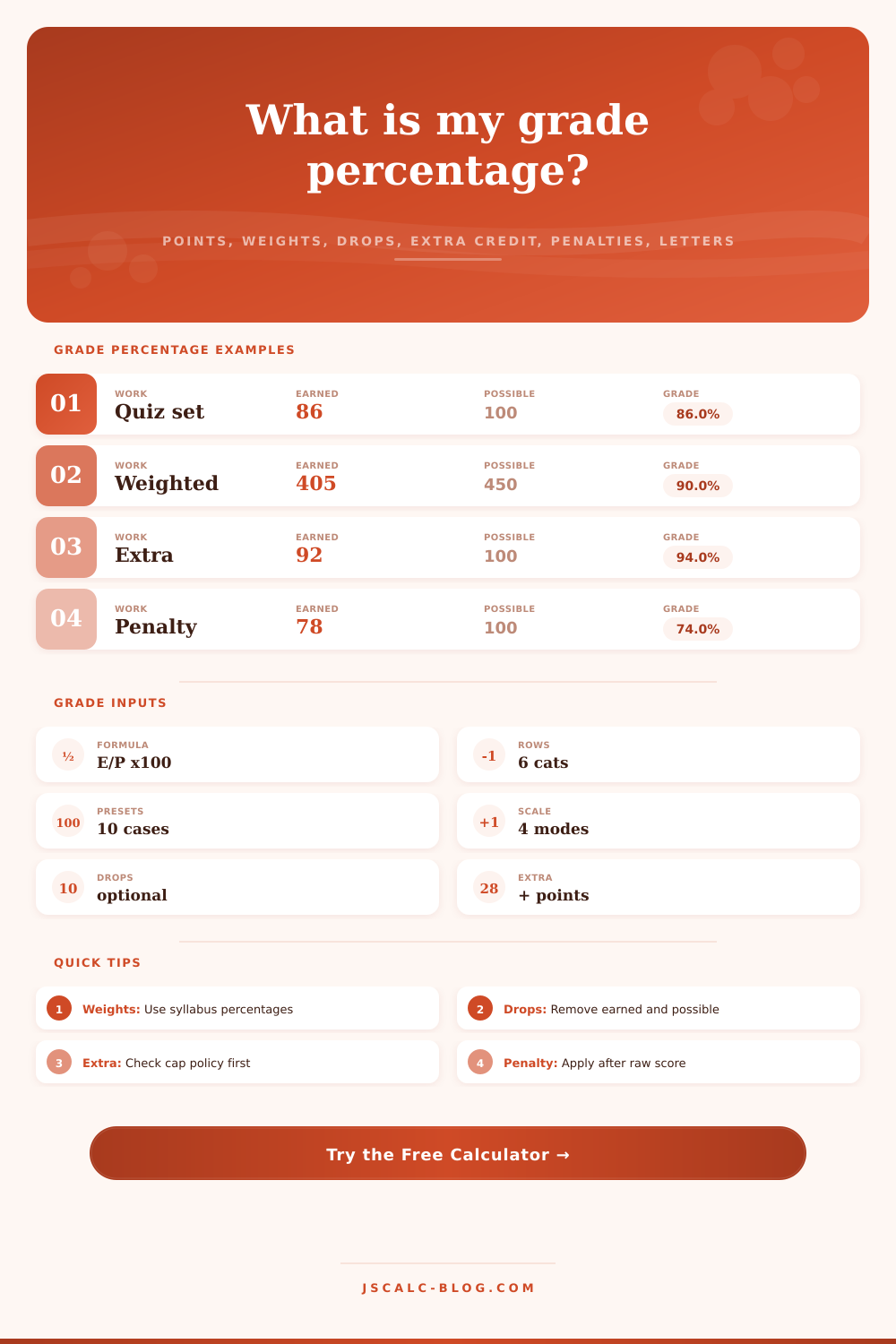
The midterm was worth 20% of your grade and you didn’t do as well than hoped. Panic ensues! Immediately you check email for the syllabus. … Read More
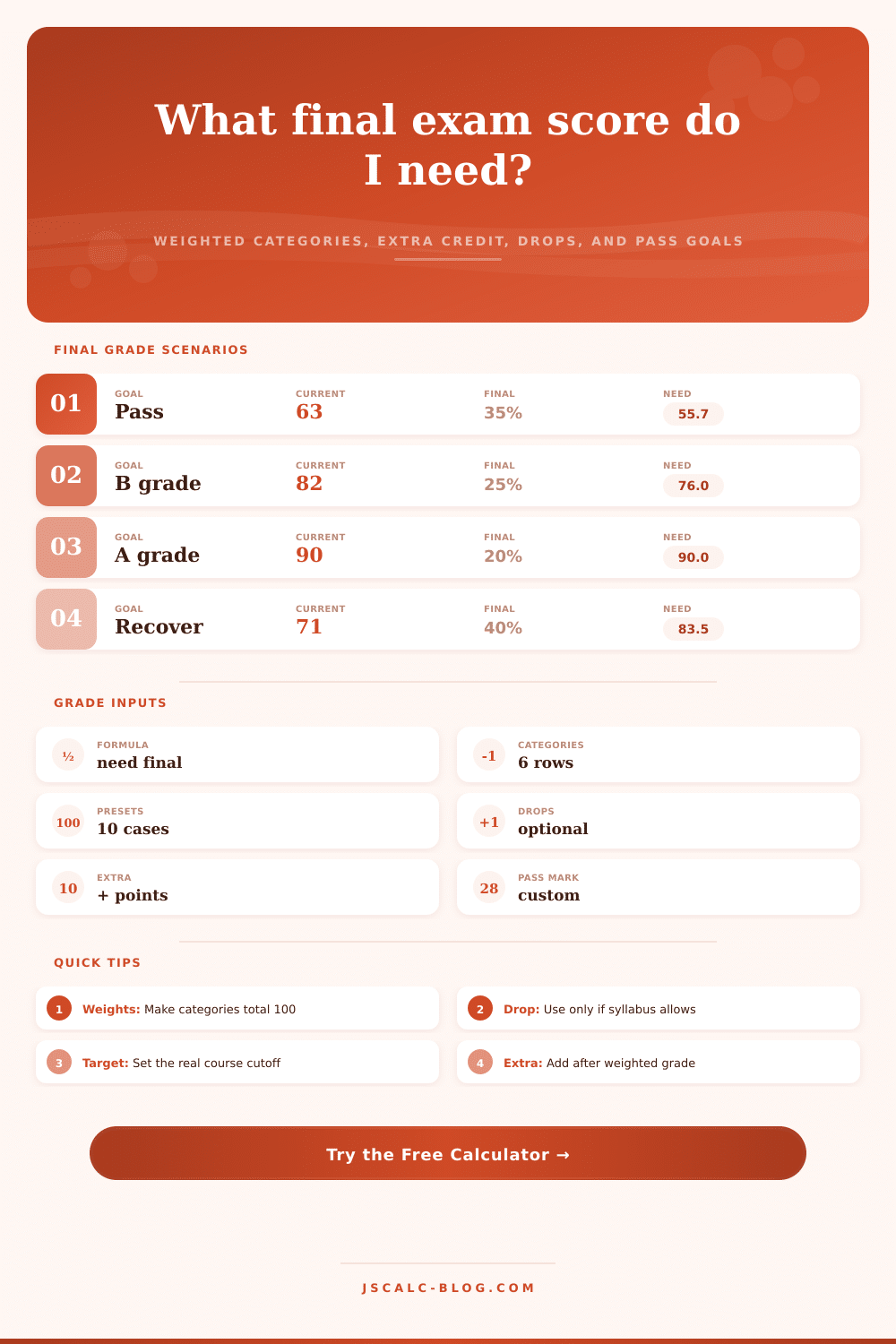
Your final exam is worth a good chunk of your semester grade, but did you consider whether or not you’re in danger of being brought … Read More
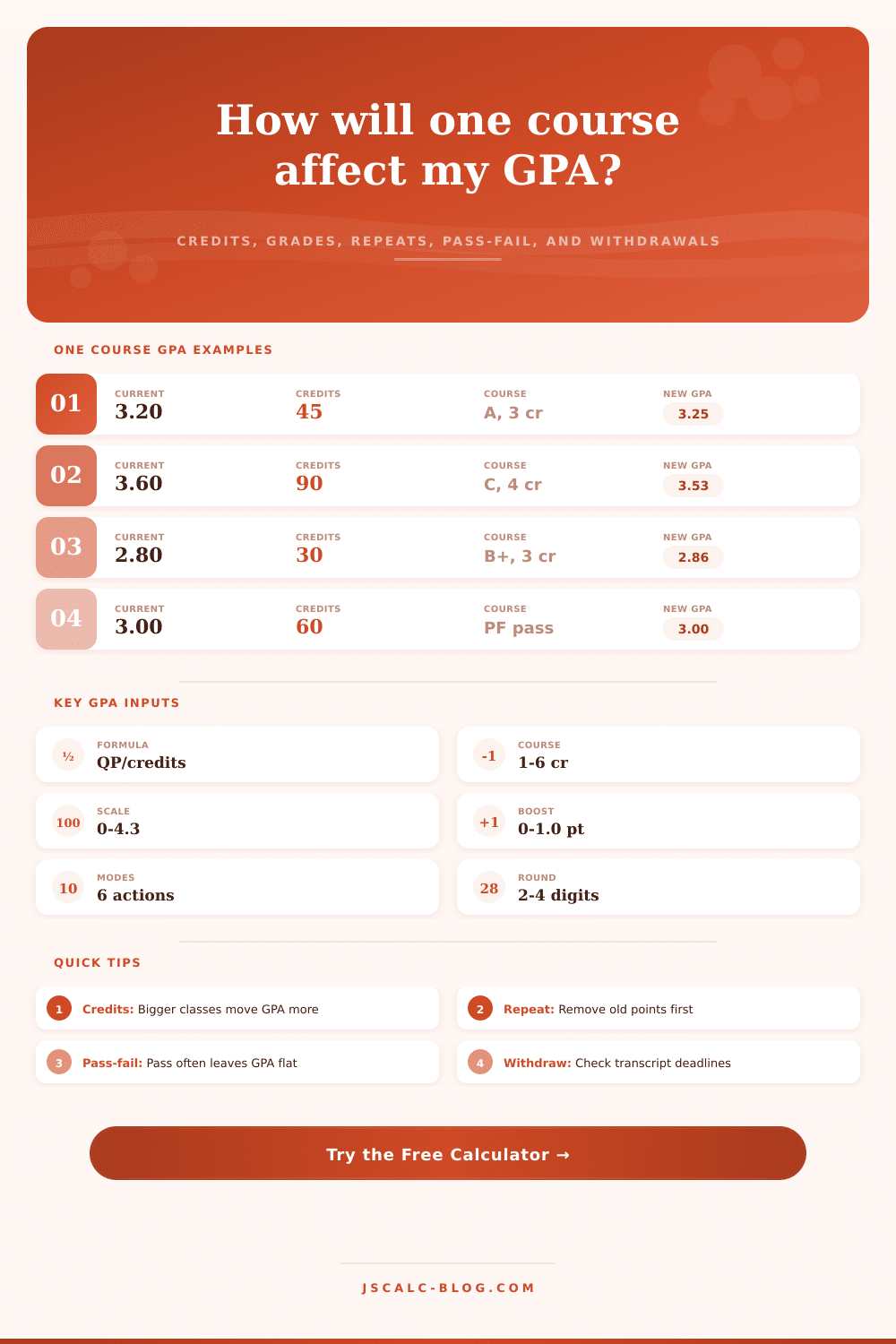
We’ve all been there. Mid-way through the semester, you have this one killer course whose grade is precariously balanced between the GPA zone you’re aiming … Read More