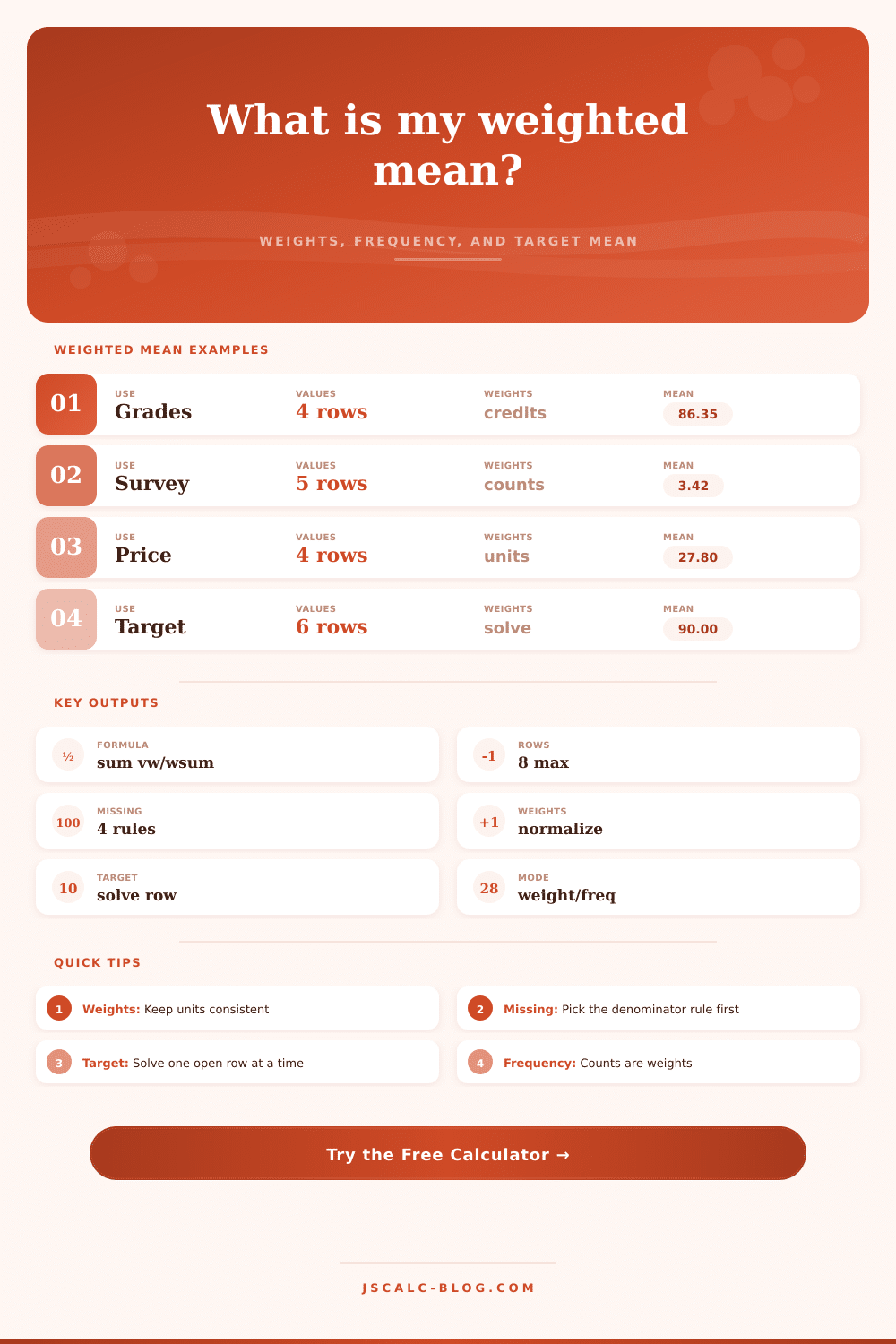
Weighted Mean Calculator
Equal items are fine with a simple average. Not-so-equal items? Not so fine. A simple average suggest you did pretty well with an 80 on … Read More

Equal items are fine with a simple average. Not-so-equal items? Not so fine. A simple average suggest you did pretty well with an 80 on … Read More
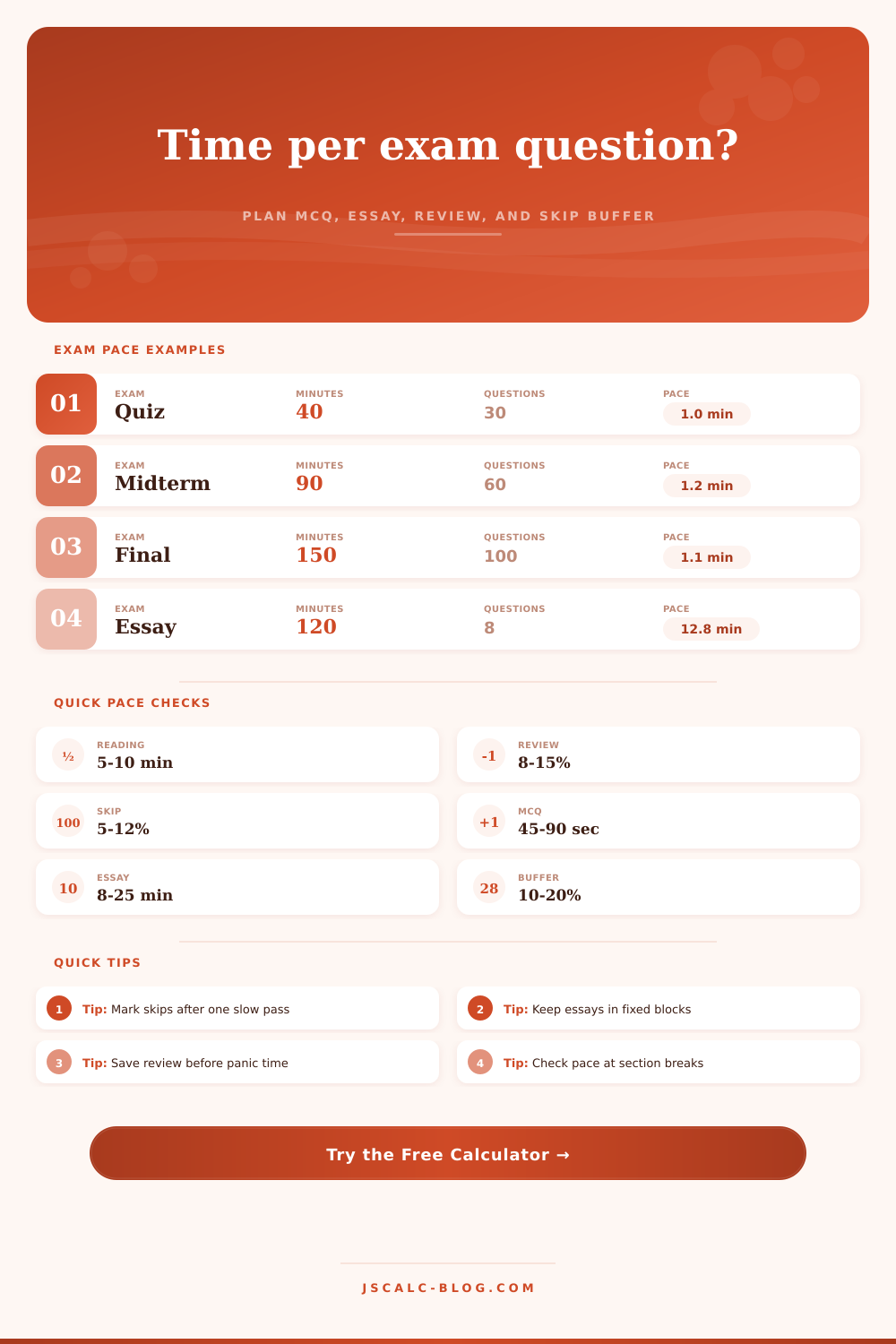
Before grabbing that pencil and circling the first question, do the math: Take total minutes allotted for the test, divided by number of questions. That’s … Read More
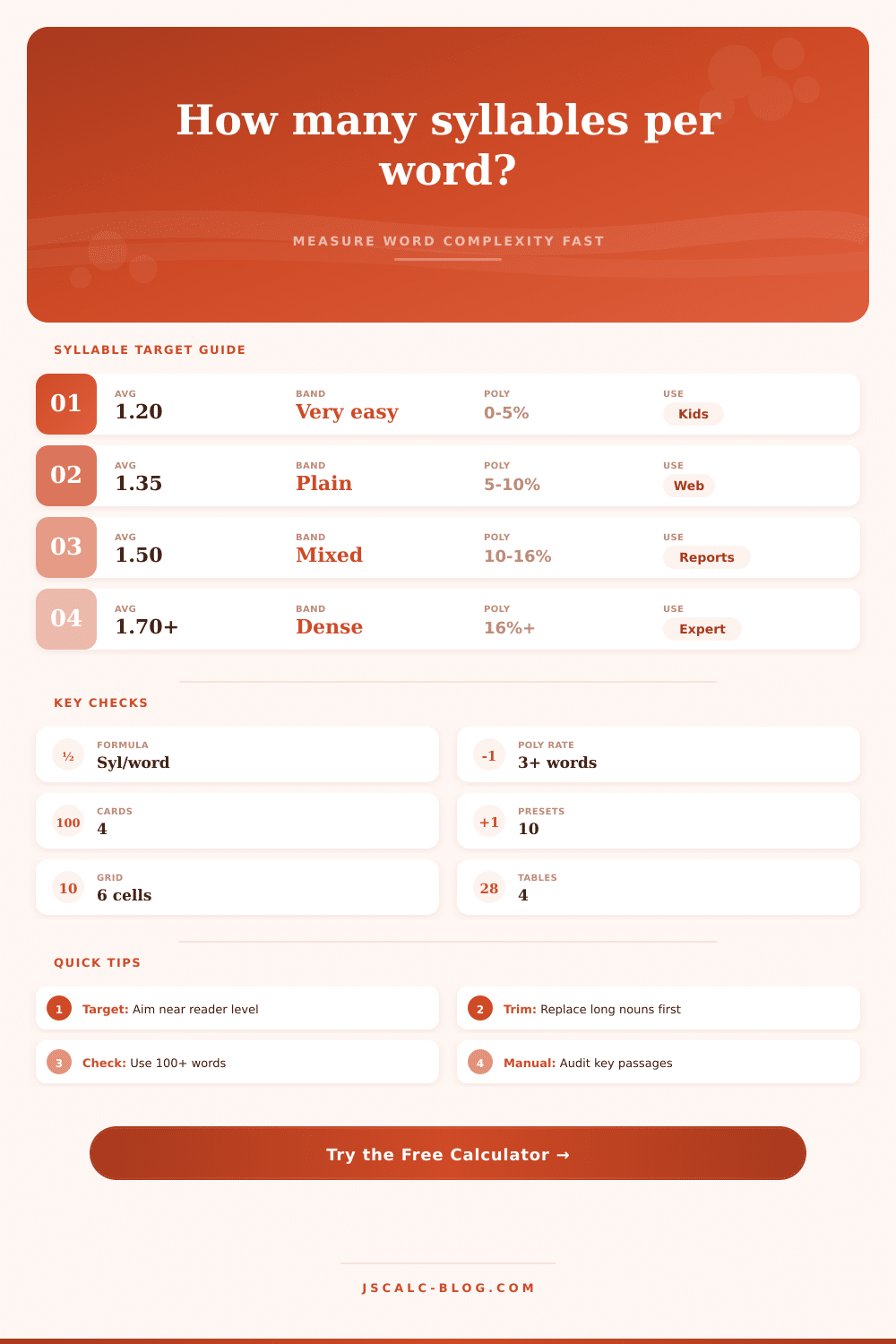
Writing an email or a help page might feel like you’re trying to hard. But don’t worry: You aren’t alone. You want to sound smart! … Read More
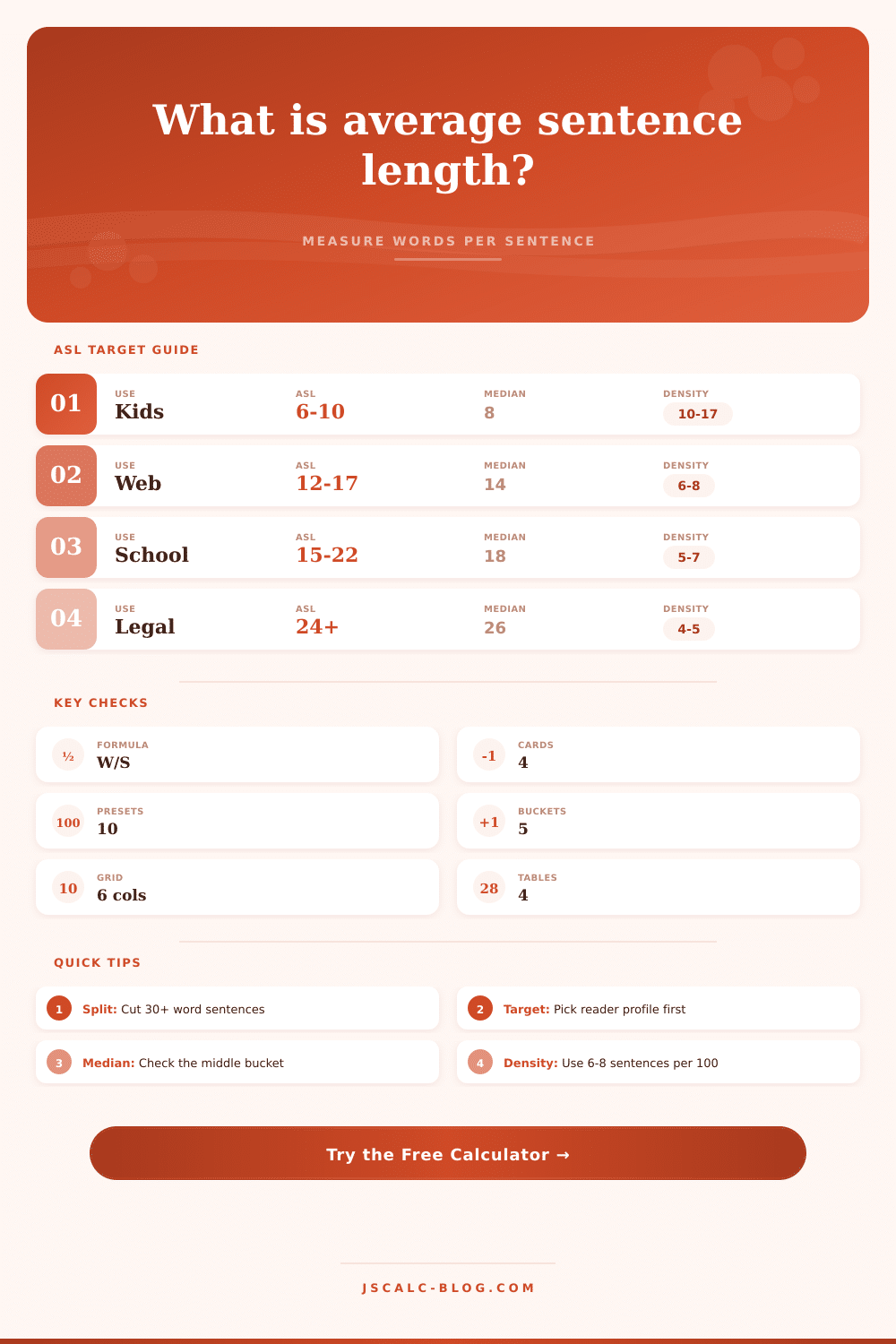
That’s where the calculator above comes in. It will run through the numbers for you, taking chunk of prose and turning it into actionable data. … Read More
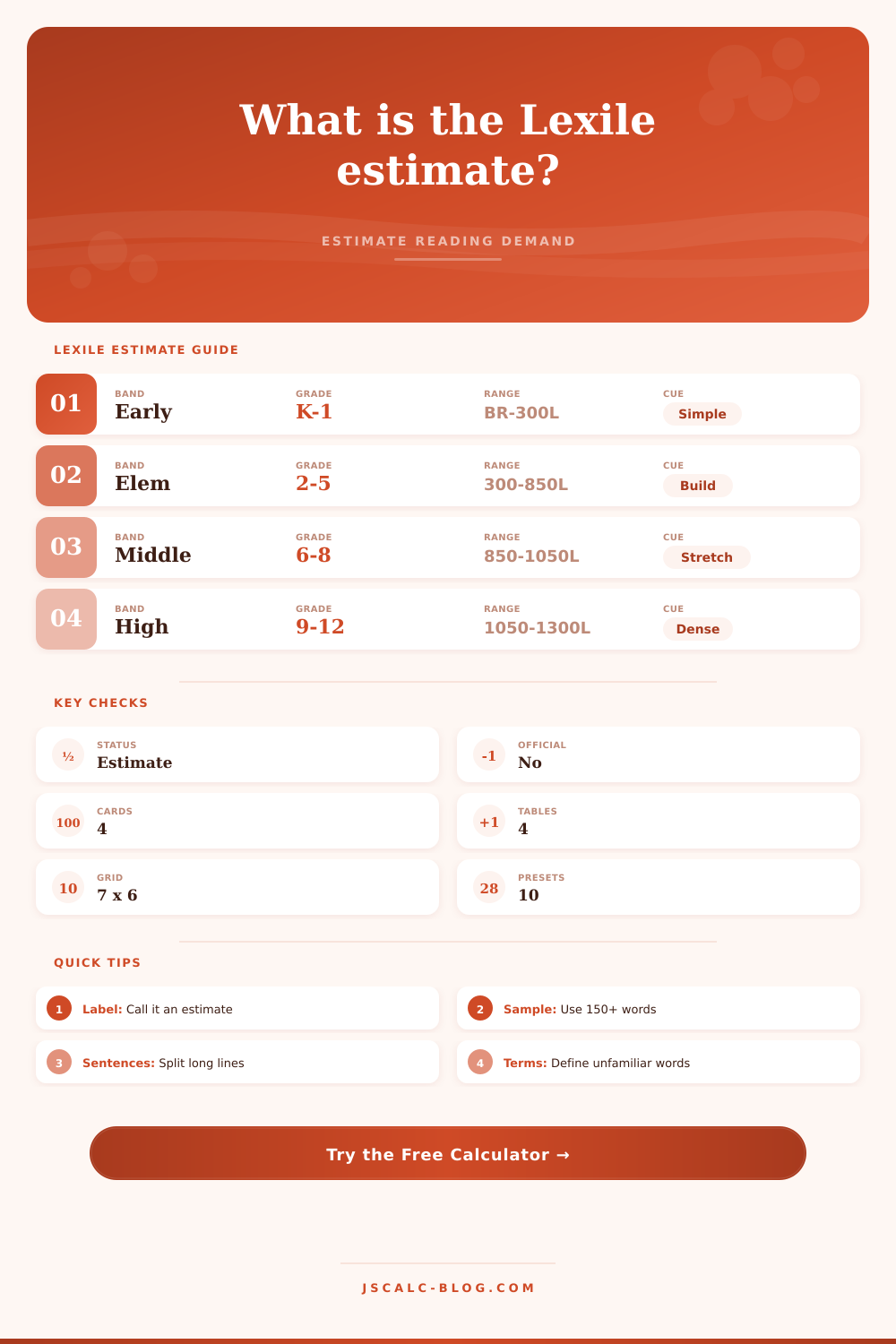
Give a fifth grader a dense chunk of history. Their eyes glaze over. Give a ninth grader an easy folk tale. Their eyes zone out. … Read More
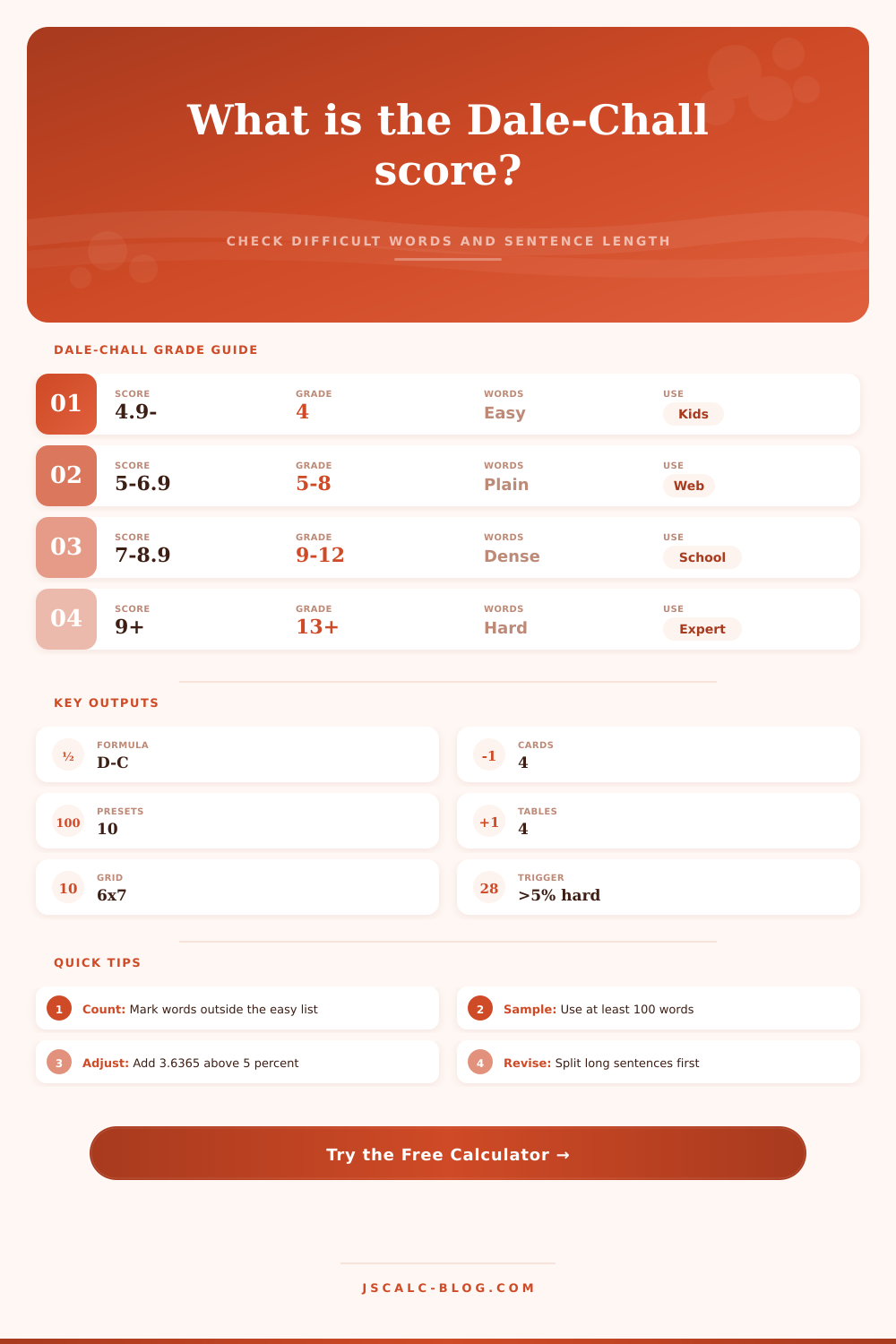
This is where the Dale-Chall formula comes in. This measures how easy writing is to understand compared to what it is trying to say. In … Read More
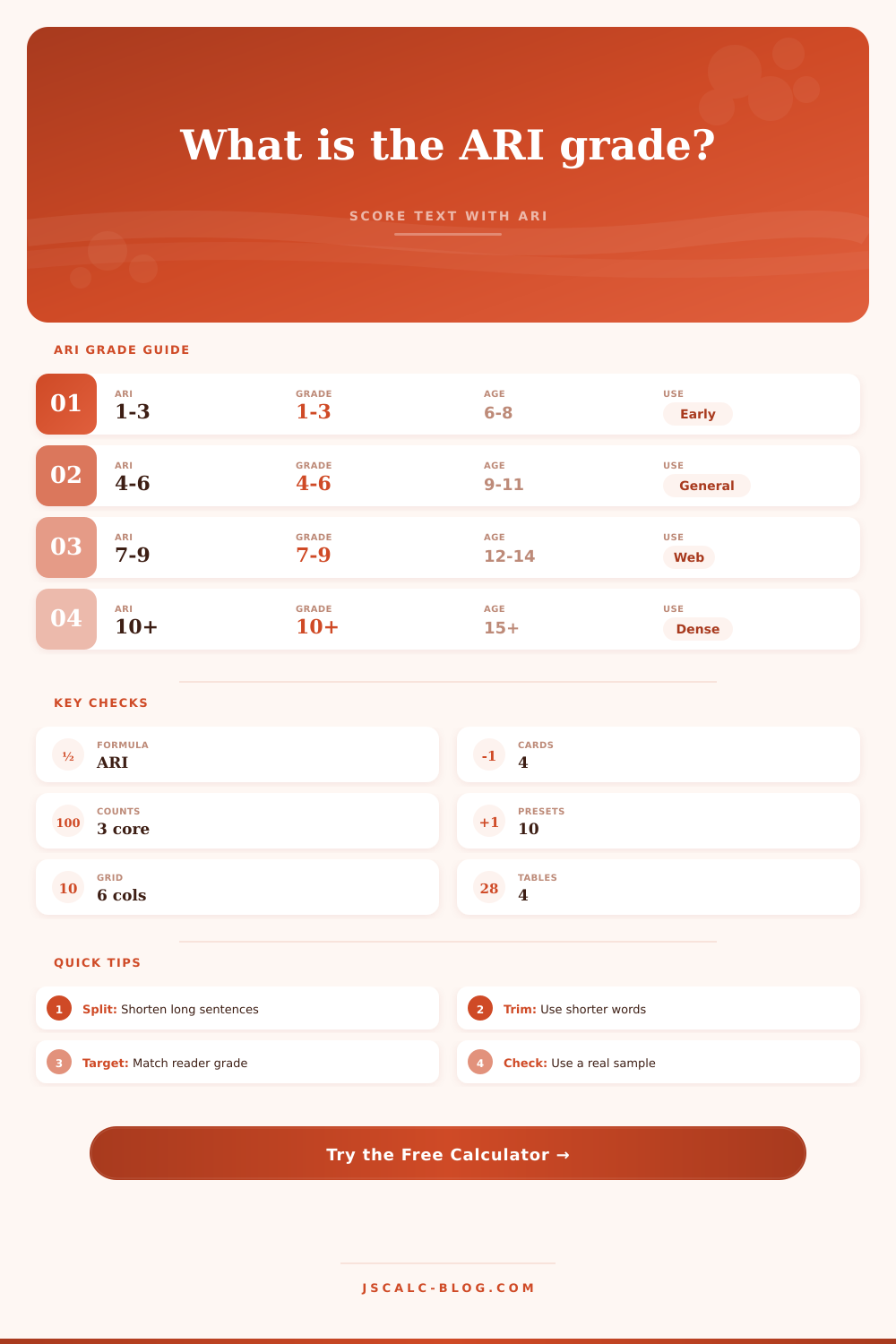
This has happened before, I’m sure you’ve witnessed it. Someone writes a useful how-to piece, litters it with jargon, then sees it fall flat. Usually, … Read More
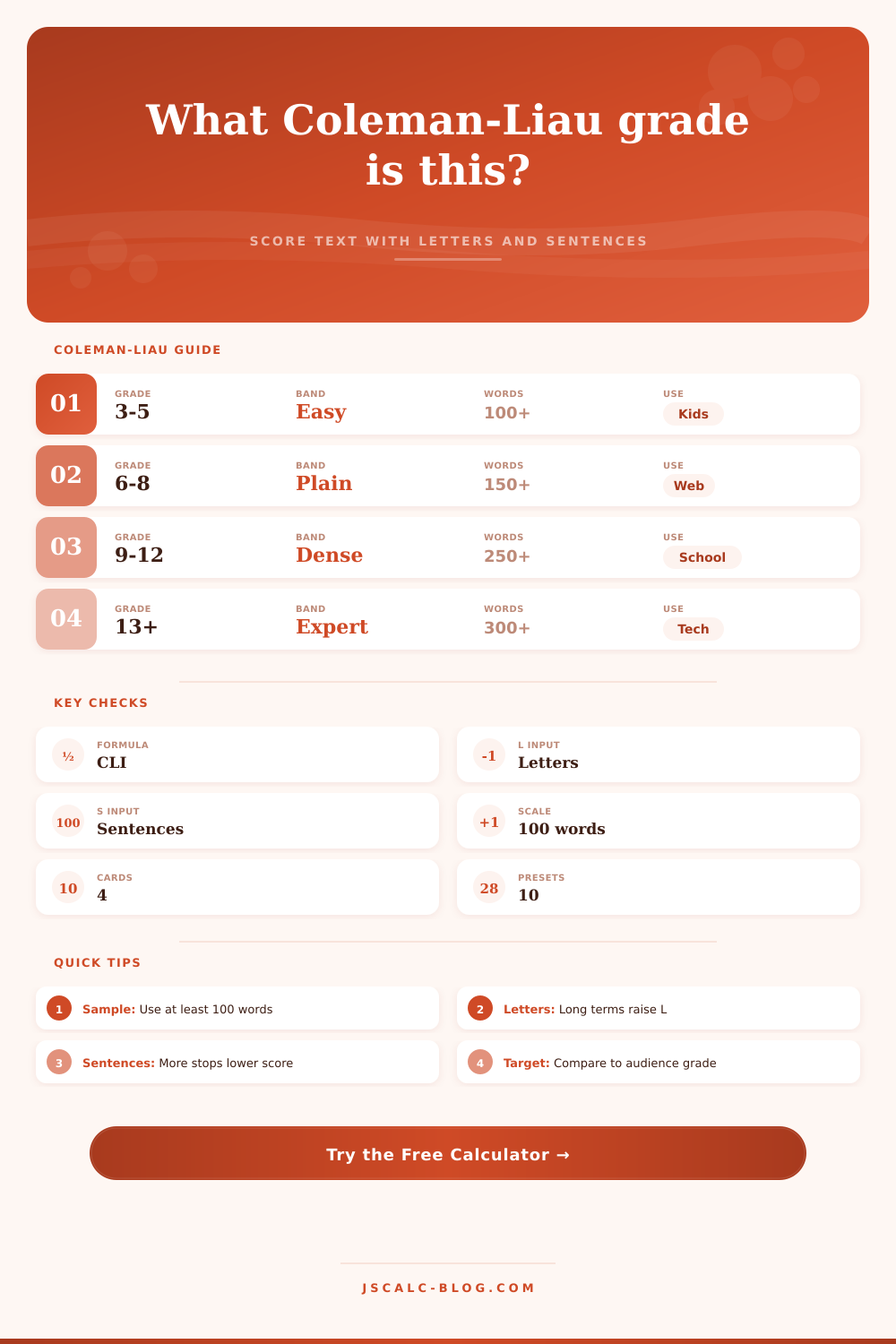
Some people will tell you writing should be simple. What does that look like when written down? You know your text is clear, right? But … Read More
Instead, the patient gets discharge forms written in legalese, leaving them more confused than when they arrived (and still with lots of questions). That’s the … Read More
When does a seemingly clear paragraph become challenging for readers? Most readers don’t read word-for-word; they skim content, so how can we help them? The … Read More