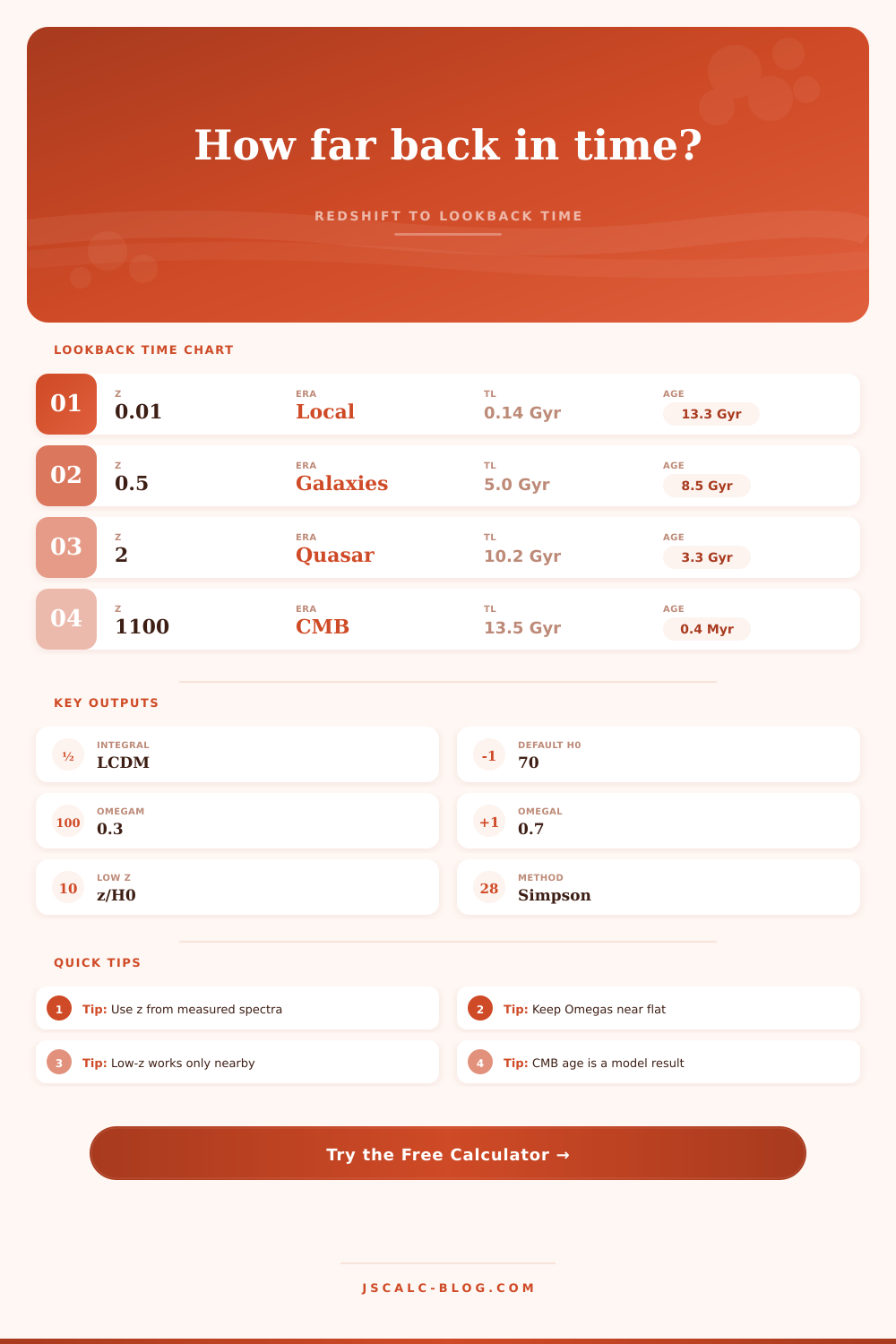
Cosmological Lookback Time Calculator
When you point your telescope to some distant galaxy, what you see isn’t what it is; it’s what it was. And that difference, between when … Read More

When you point your telescope to some distant galaxy, what you see isn’t what it is; it’s what it was. And that difference, between when … Read More
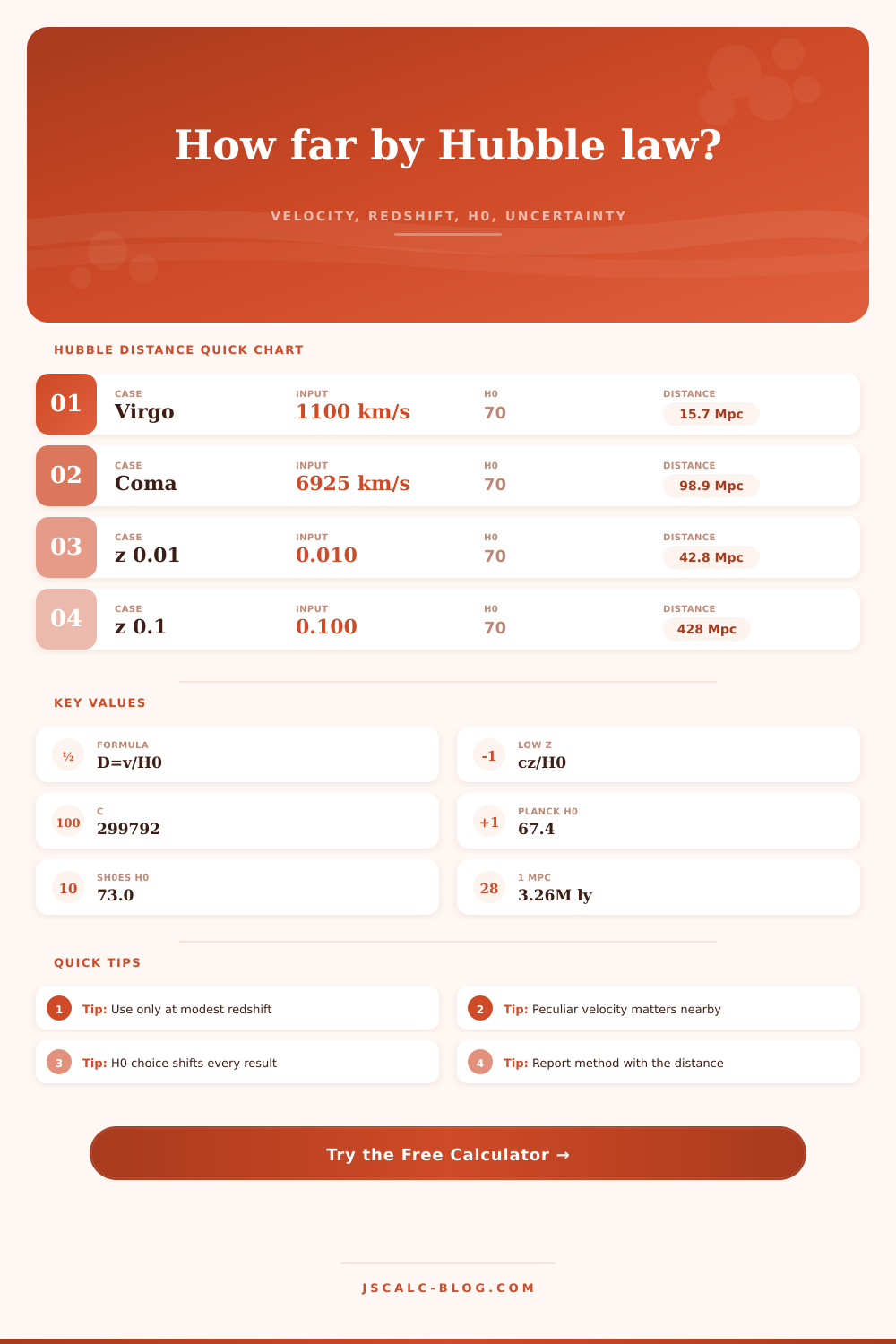
Maybe you picture the universe like a stage with stars and planets sitting still while you travel about among them. Instead, idea of expansion revealed … Read More
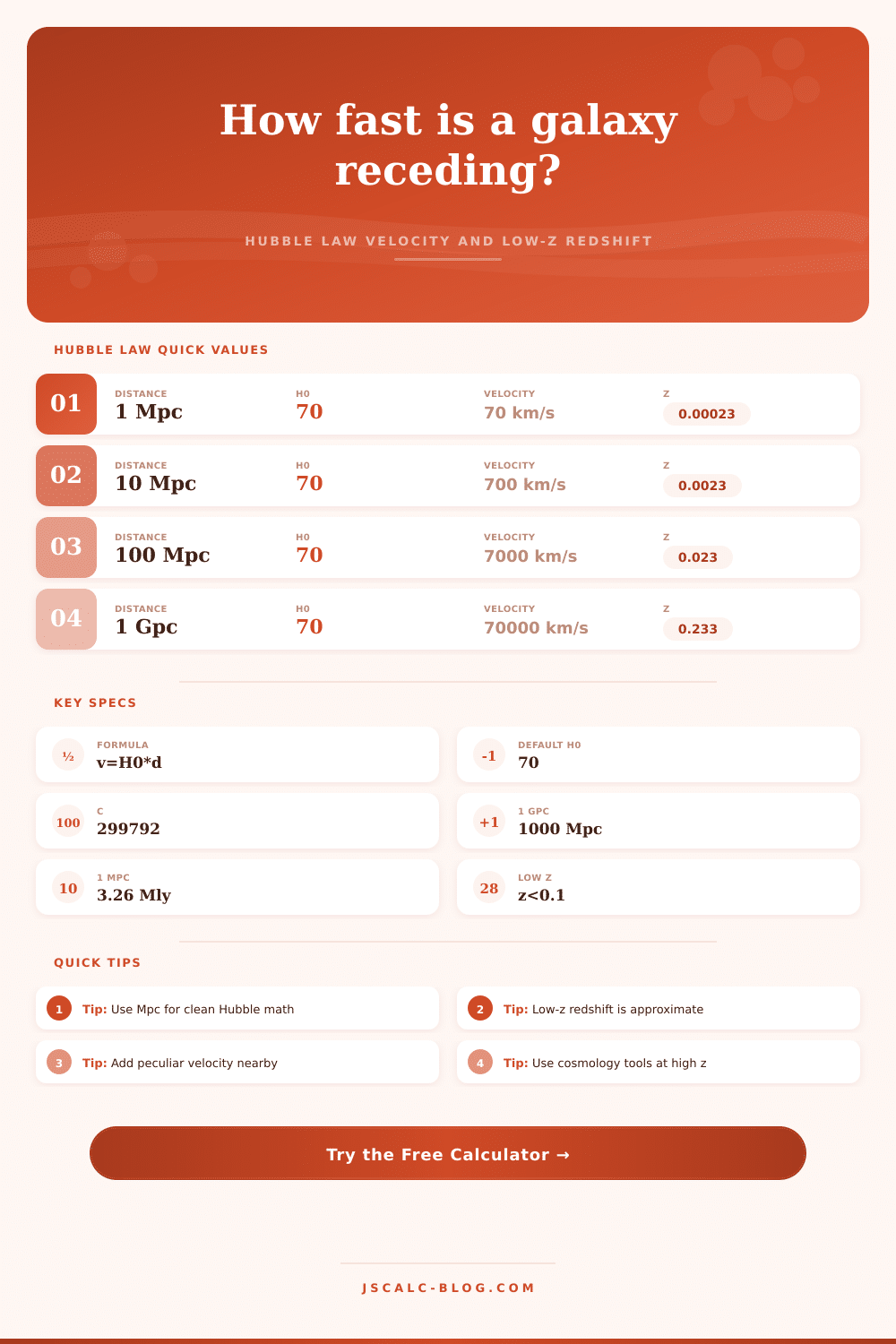
The beauty of Hubble’s idea, which was surprisingly elegant, was this: The more distant a galaxy is, the further away it moves; and all those … Read More
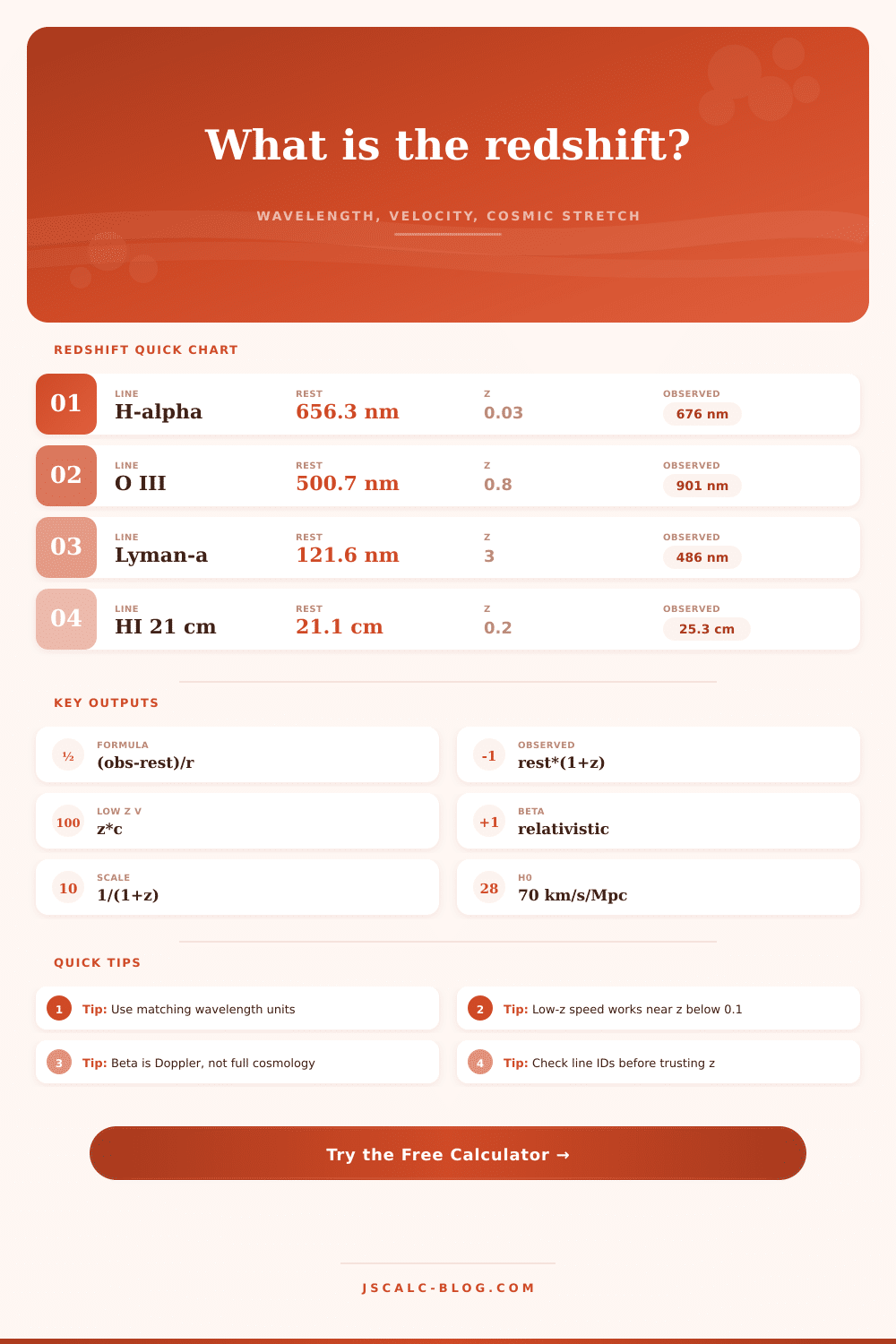
That’s where Redshift comes in. It is sort of like Doppler shift, except instead of moving closer or farther from an object, we’re stretching out … Read More
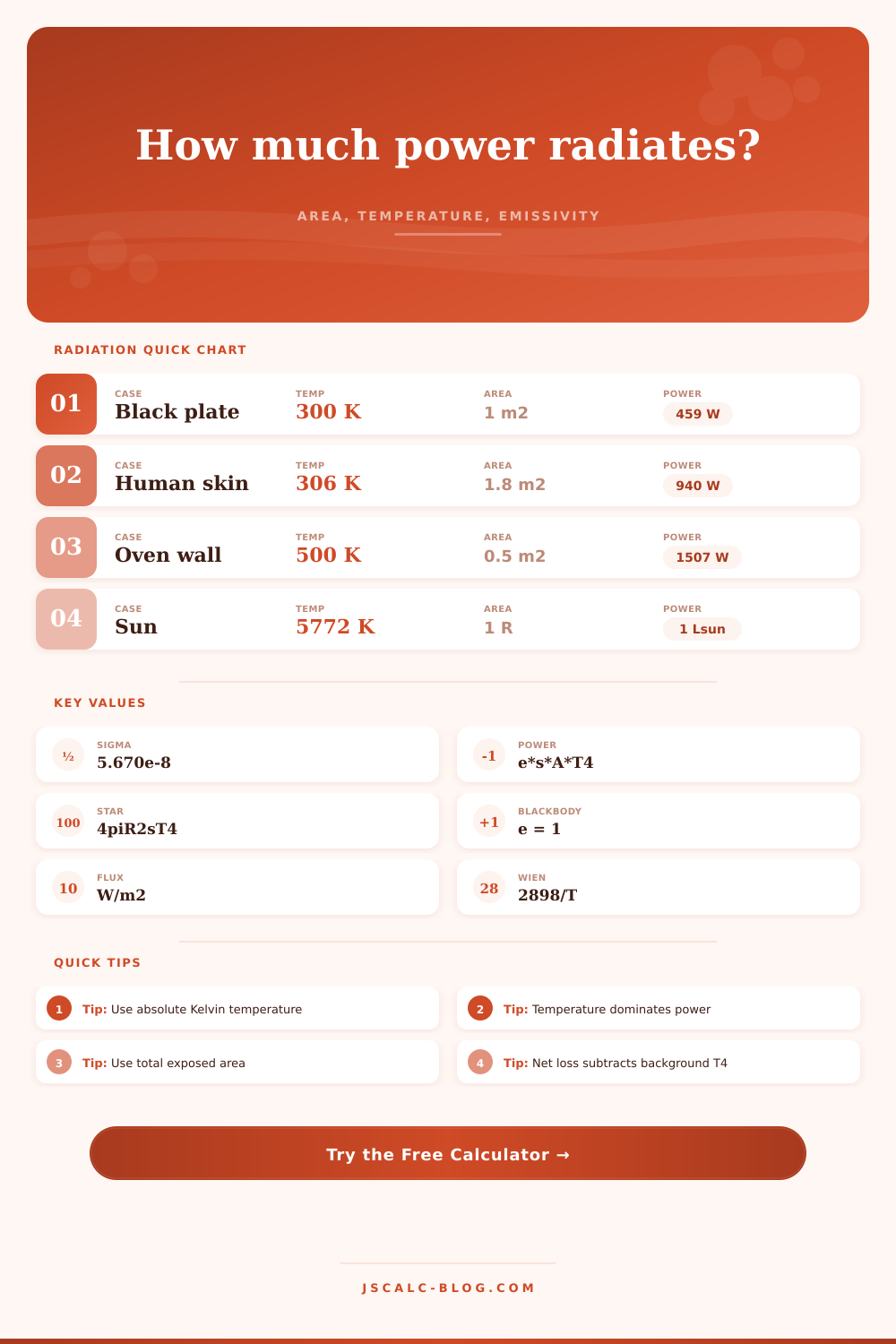
Heat rises they say, right? And heat radiates, too. Your hand resting on a desk give off energy, as does a light bulb’s glowing filament. … Read More
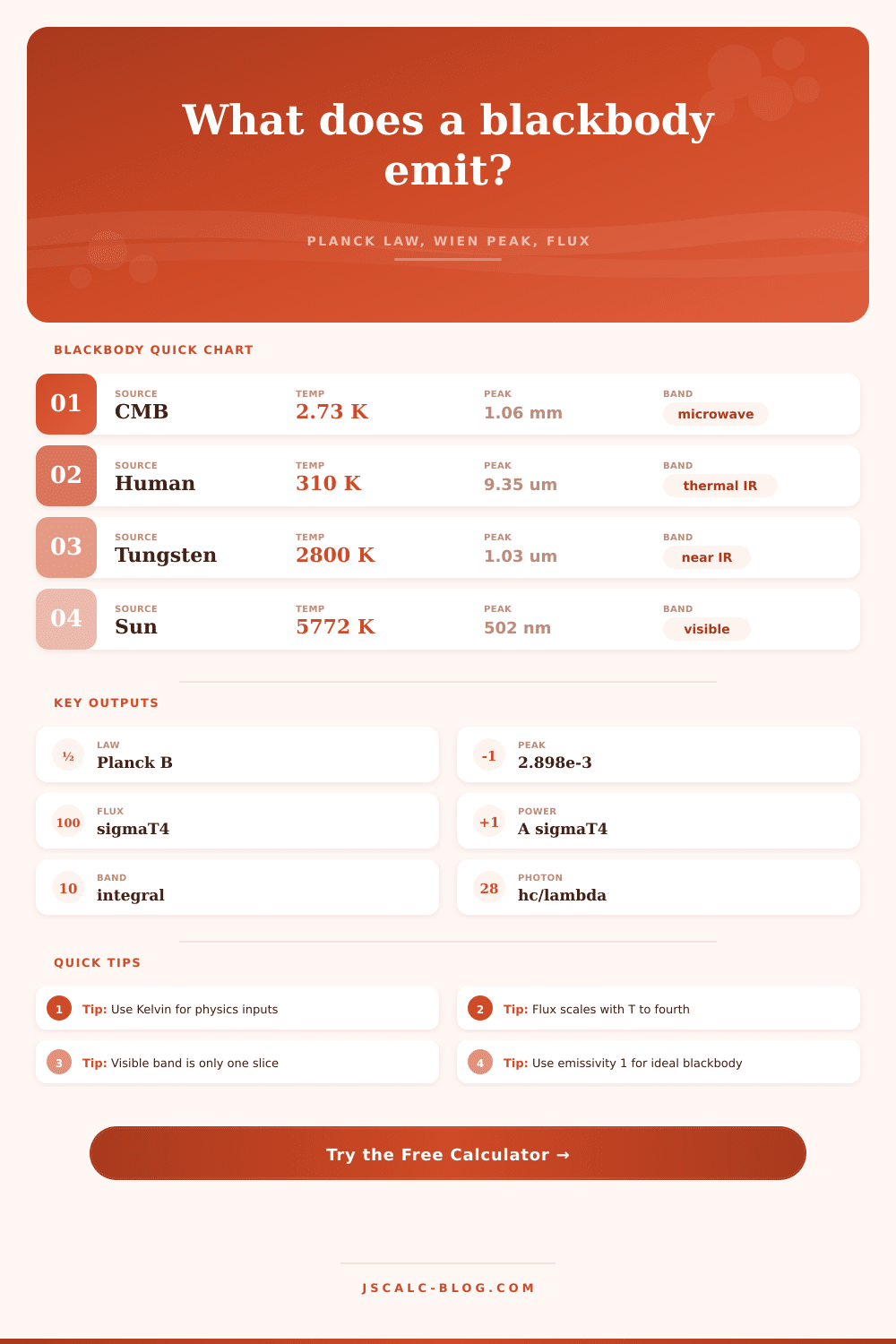
Heat is light. Light is energy in motion within space. Any object at any temperature higher than absolute zero will emit this energy. The formula … Read More
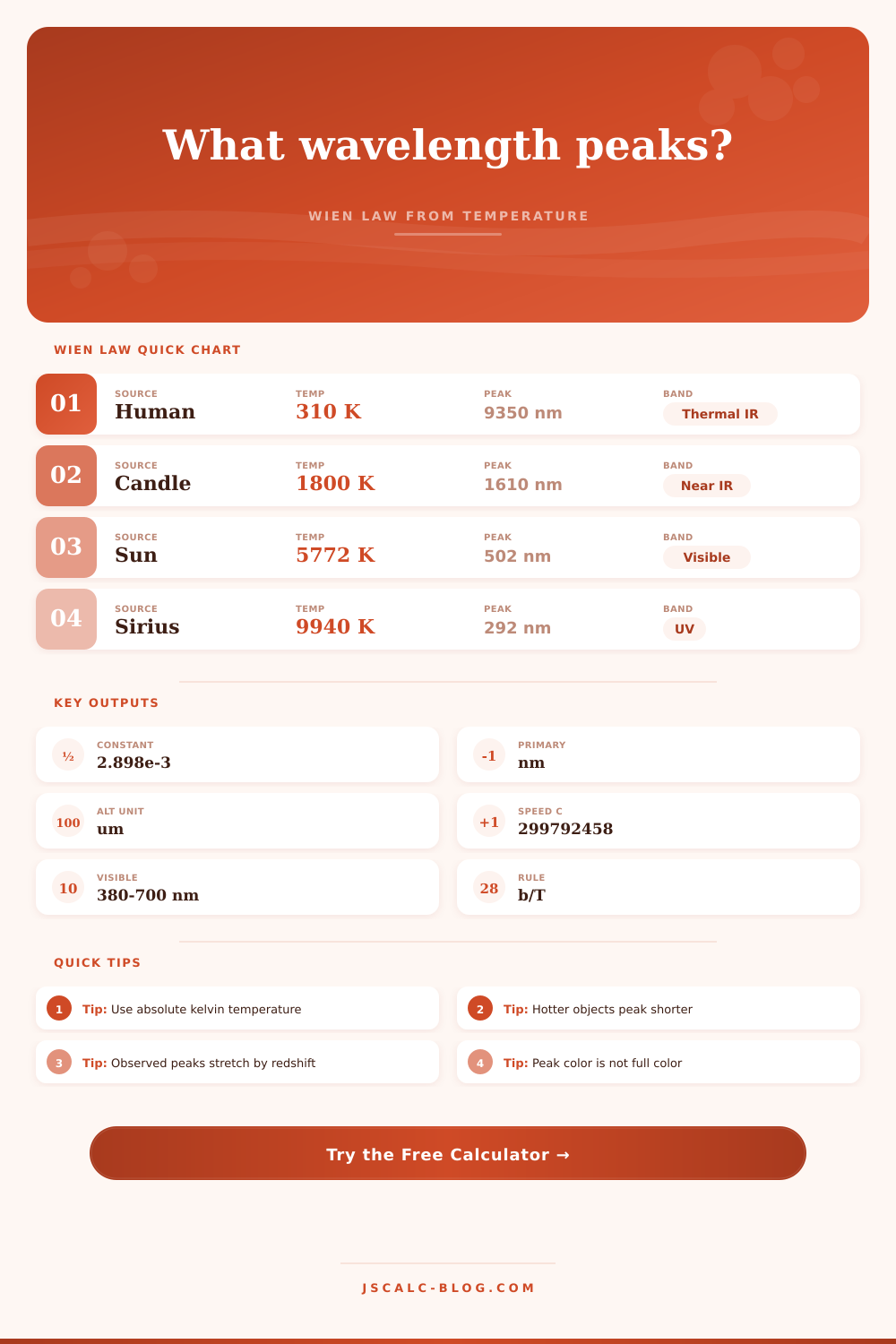
Thermal radiation lets you see temperature. As an object warms, its heating element go from a dull red, to bright orange, to white hot. Its … Read More
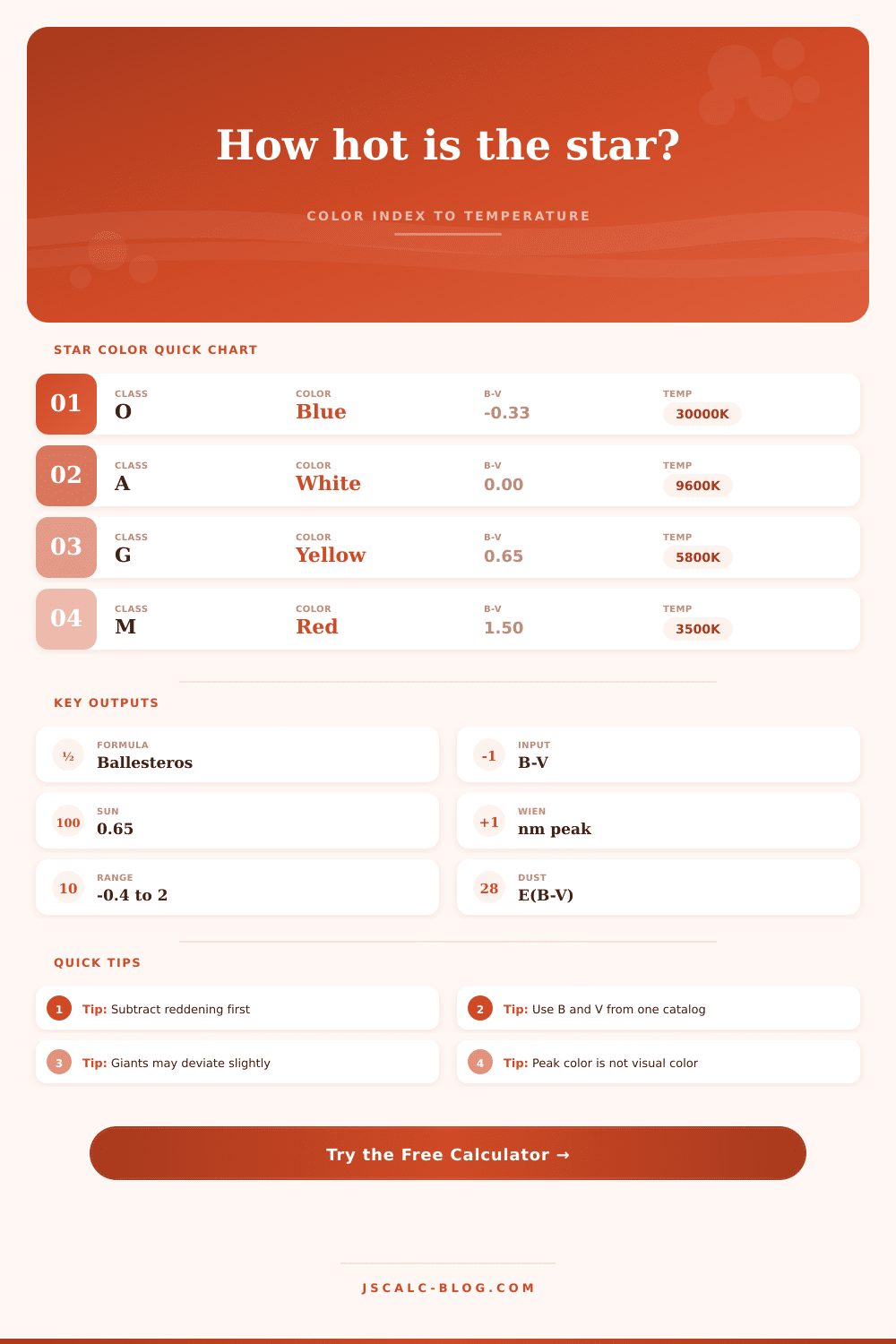
The night sky looks black, with one big blotch of red in it. And the red looks familiar. It’s like the red of a ripe … Read More
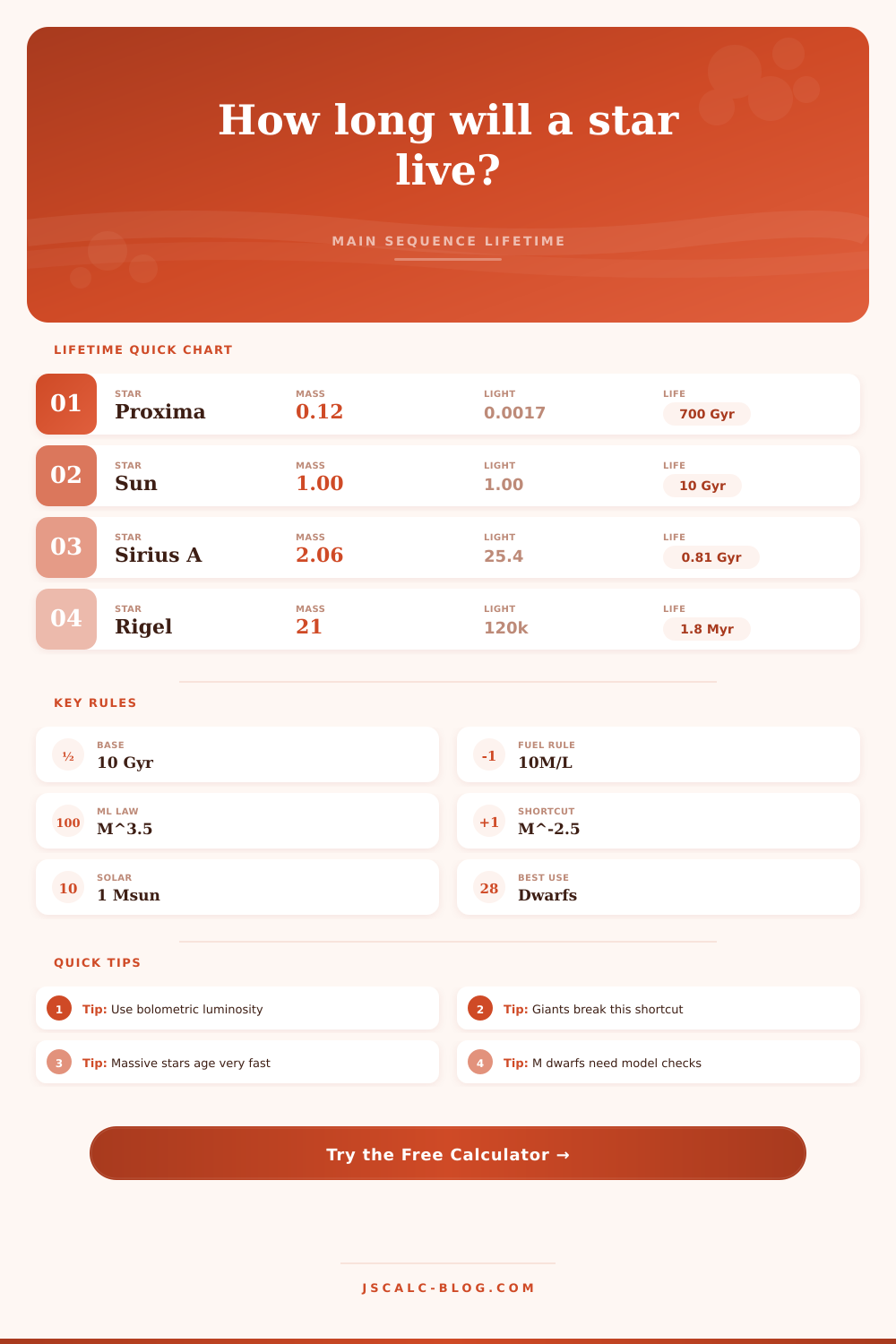
But stars are not candles. In fact, they’re exactly opposite. A candle is made from burning it’s own waxy substance. As it gives off light, … Read More
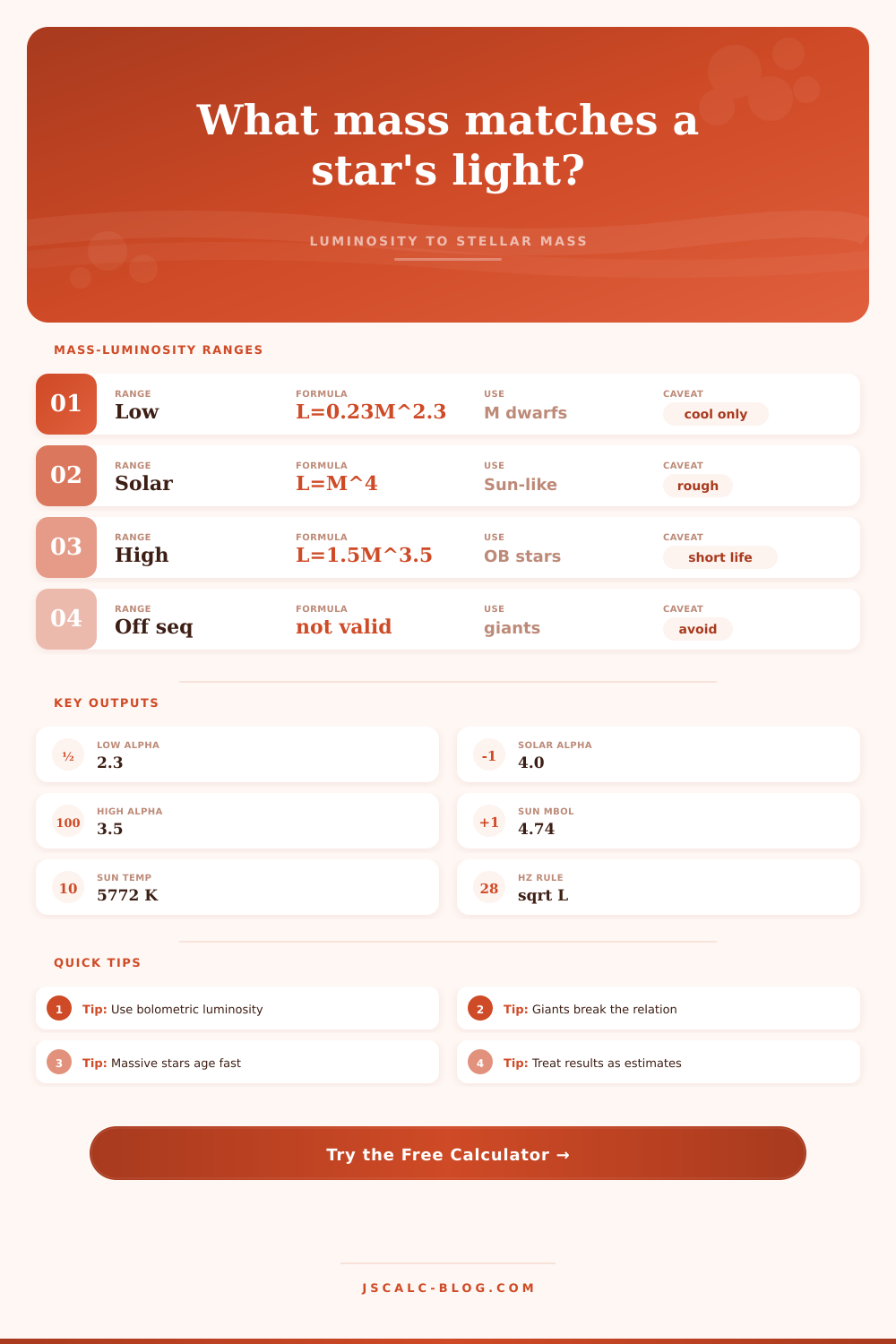
The first thing most people notice when they look at a star is its brightness. But we all know appearances can be deceiving. A massive … Read More